
The Two-Meter Rule Explained

Disc golf has grown rapidly in popularity, and with that growth comes a closer look at the rules that shape competitive play. One rule stand out among all other rules because it is optional. That rule is the two-meter rule. While it may seem straightforward, its optional status and the way it impacts players make it one of the more controversial topics in disc golf today.
How the Two-Meter Rule Works
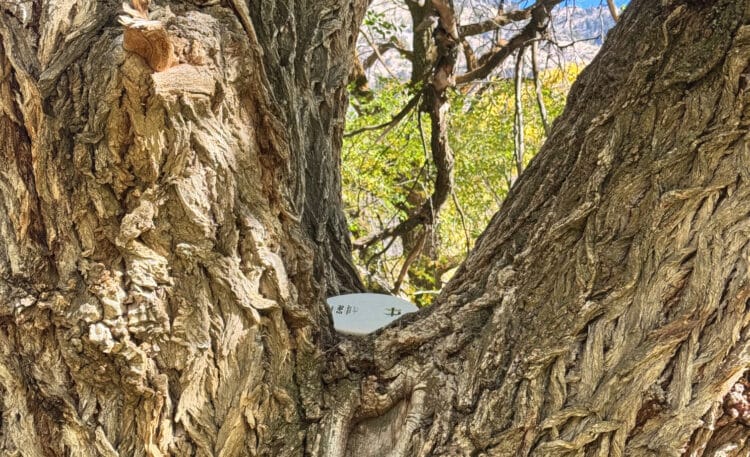
The two-meter rule applies when a disc comes to rest at least two meters above the in-bounds playing surface, most often stuck in a tree. If the rule is in effect, the player receives a one-stroke penalty and must mark their lie directly beneath the disc. The rule is listed under section 805.02 of the Professional Disc Golf Association (PDGA) rulebook.
Importantly, this rule is not automatically enforced. Tournament directors decide whether it applies, and they may choose to enforce it across the entire course, on specific holes, or even on certain objects. If the disc is supported by the target basket, the rule does not apply.
 Why Players Disagree About the Rule
Many disc golfers argue that the two-meter rule feels unfair because it punishes players twice. Not only is the disc stuck in a possibly undesirable position, but the player also receives a penalty stroke. Since disc golf already involves a degree of luck when discs hit trees, adding a penalty can feel excessive.
Another source of frustration is inconsistency. Because tournament directors have discretion, players may encounter the rule in one event but not in another. This lack of uniformity leads to confusion and debate about whether the rule should exist at all.
Measurement is also a sticking point. Determining whether a disc is truly two meters above the ground is often subjective, as few players carry measuring tools. This can spark disagreements among cardmates and slow down play.
Arguments in Favor of the Rule
Supporters of the two-meter rule believe it adds an element of risk management to the game. Players must weigh the decision to throw high shots in wooded areas, knowing that a disc stuck in a tree could cost them a stroke. In this way, the rule encourages smarter shot selection and rewards accuracy.
Additionally, the rule can prevent unsafe or impractical lies. Without it, players might attempt to climb trees or play from dangerous positions (I’ve seen that happen once. The disc wasn’t very high in the tree, and taking a lie in the tree gave them an advantage). By requiring the lie to be placed directly below the disc, the rule simplifies play and reduces risk.
 The Future of the Two-Meter Rule
The PDGA currently lists the two-meter rule as optional, leaving the decision of whether or not to use it up to tournament directors. Some players hope for its removal from the rulebook entirely, while others believe it should be standardized across all events. Until a consensus is reached, the debate will continue, and players should always check with the tournament director before play begins.
Whether you love it or hate it, the two-meter rule is part of disc golf’s current rulebook. Understanding how it works and why it divides opinion will help you navigate tournaments more confidently and avoid unnecessary penalties.
For official details, visit the PDGA rulebook entry on the two-meter rule.
Ted Hegemann

Ted is the Chief Writer at Infinite Discs. He is responsible for the State of Disc Golf Survey articles and most of the "best discs" posts. Ted runs all kinds of local disc golf leagues and tournaments and tournaments in Northern Utah.
Personally, not a fan, but that opinion stems from the courses I play. Every one I play regularly, specifically my own, are heavily treed. I’ve only played on mown grass twice! I could see it making things interesting on some more manicured links, as a potential hazard, but it’s just not applicable here.