
Overstable vs Understable

Disc golf has many unique words that beginners will hear during a round. Words like hyzer, flippy, and mando are examples of words that new players will be introduced to, and have to learn. When it comes to the flight of a disc, two important disc golf terms are ‘overstable’ and ‘understable’. These terms are commonly used to describe how a disc flies through the air. Let’s define those terms and learn how they are used.
Disc Stability
When we describe the flight of our discs, we are referring to how the disc behaves at the fastest part of the flight, the beginning, the middle part of the flight, and what it does as it slows down. We can then know the stability of the disc. To describe to others how our disc flies, we use the terms overstable, understable, and stable. In this blog we will define those terms and talk about how they might not make your description clear.
Let’s start with ‘understable’.
Understable Discs
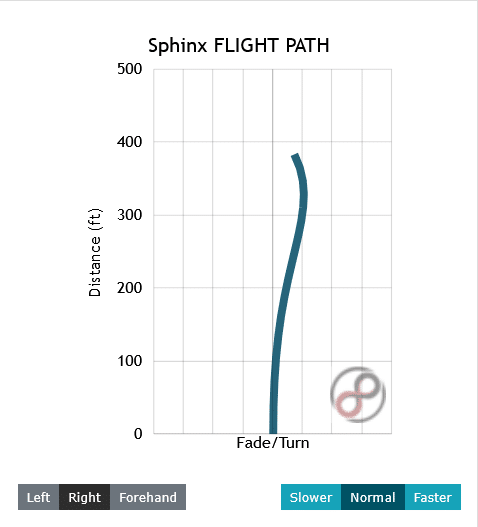
The term understable refers to a disc that moves to the right, on a RHBH throw, at the fastest part of the flight. That movement to the right is known as ‘turn’ in disc golf. Typically, if a disc has a lot of turn, it won’t have as much ‘fade’ at the end. Fade is a word used to describe how the disc behaves as it slows down, and refers to how much a disc moves to the left at the end of its flight. A disc with a lot of turn typically doesn’t have a lot of fade.
Check out this list of the highest rated understable discs.
Check out the top very understable discs here.
Overstable Discs
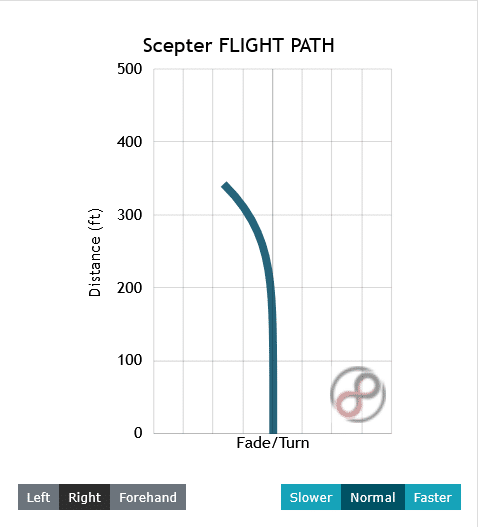
The term overstable references the movement of the disc to the left at the end of the flight. The more overstable a disc, the more movement to the left, and the more fade it has. If a disc has a lot of fade, it usually doesn’t have much turn. In fact, it might not have any turn. Those discs are great for headwind shots, since they resist turning and give a consistent flight.
Check out the best overstable discs
Check out the best very overstable discs
Stable Discs
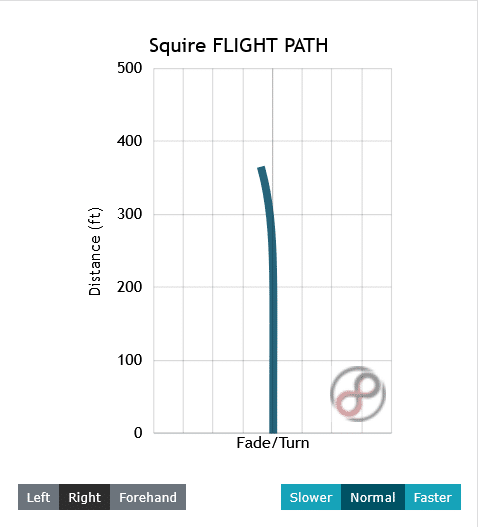
The term stable can have a couple different meanings, depending on how it is being used. It is commonly used to describe a disc with a straight flight. It can also be used to mean less extreme in stability. For example, I’ve heard someone say that their disc is too flippy, and they need something a little more stable. I’ve also heard people say their disc is too beefy, and they want something more stable. Both comments are saying that the person has something that is too extreme, and they want something less extreme.
Check out the top rated stable discs
Flight Numbers
We’ve covered what overstable, understable, and stable mean, so now we can look at how to tell which discs fall into each category. We can learn a disc’s stability by finding out its flight numbers, which give us a quick way to understand how it’s designed to fly. Often times the flight numbers are stamped on the disc. If not, you can go to www.infinitediscs.com to look up the flight numbers.

Keep in mind, flight numbers are not an exact science. Weight, plastic type, and players skill level all affect how the disc will fly. The numbers give you a general idea of how the disc will fly, then you can use them to determine how it will fly for you. If you are a beginner, for example, most discs will be overstable to you. A disc that is very understable might be what you will throw until your skill improves.
Disc Flight Number Examples
Let’s take a look at a couple examples of overstable, stable, and understable discs. We’ll start with two speed 9 discs, the Sphinx and the Scepter.
Overstable Scepter
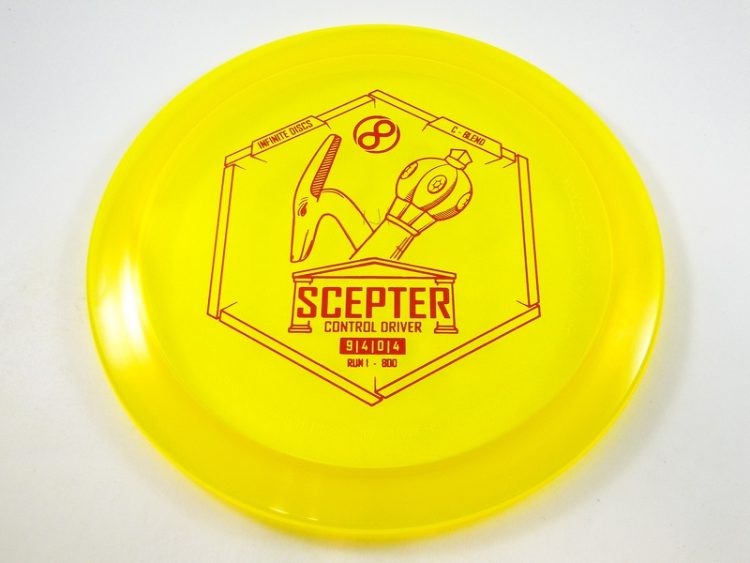
The flight numbers for the Scepter are 9, 4, 0, 4.
- The 9 represents the relative speed that the disc needs to be thrown in order for it to fly like the rest of the numbers indicate.
- The first 4 indicates the amount of glide. The Scepter isn’t the disc of choice if you want to throw a long way.
- The 0 is the turn. A 0 means the Scepter will fight a headwind, or handle the torque of a forehand.
- The second four is the amount of fade the disc has as it slows down. Four is a lot of fade, and the disc is very overstable.
The combination of low glide, no turn, and high fade indicate that the Scepter is an overstable disc.
Understable Sphinx

The flight numbers for the Sphinx are 9, 6, -3, 1.
- Again, the 9 is the relative throwing speed.
- The 6 is a high glide number. The Sphinx can be thrown a long way.
- The -3 means the disc has a lot of turn. It may be too much turn for better players or for headwind shots. The Sphinx is an understable disc.
- A mild 1 for the fade means the Sphinx will not fade hard to the left at the end of its flight.
The high glide, high amount of turn, and low fade lets you know the Sphinx is an understable disc.
Stable Squire
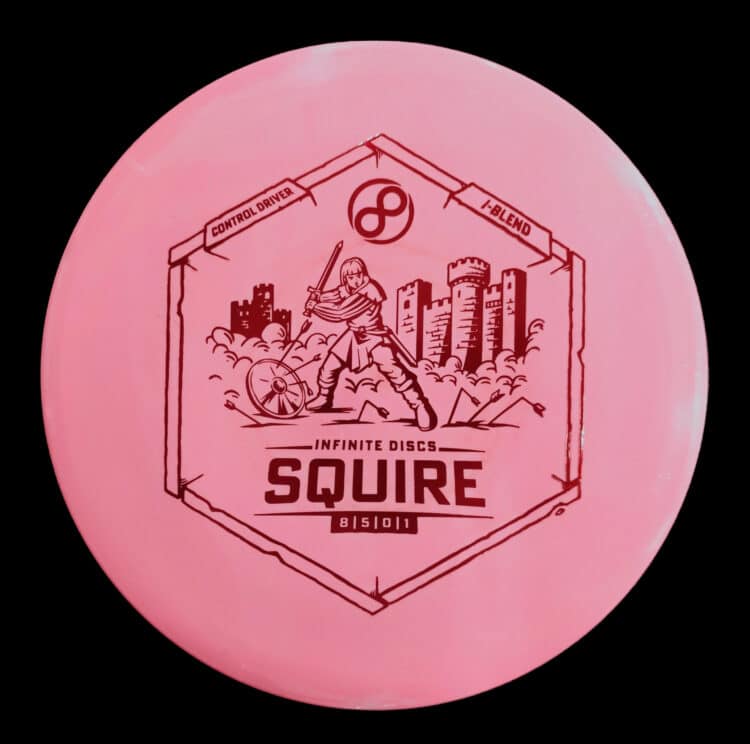
The flight numbers for the Squire are 8, 6, 0, 1.
- The 8 is the relative speed.
- Like the Sphinx, the Squire has a high glide of 6.
- The 0 indicates no turning.
- The 1 means the fade is not substantial.
The Squire has little turn and fade, and is a straight-flying, stable driver.
Getting a Visual Description of Stability
Conner made a video about stability that will let you see examples of overstable and understable discs and flights. It will be helpful for visual learners. Check it out here:
Conclusion
We hope this blog helped you learn more about disc golf terminology. Knowing what unique words are used in disc golf will help you feel more confident about talking with other disc golfers, as well as understanding what people mean when they use those term.
Ted Hegemann

Ted is the Chief Writer at Infinite Discs. He is responsible for the State of Disc Golf Survey articles and most of the "best discs" posts. Ted runs all kinds of local disc golf leagues and tournaments and tournaments in Northern Utah.
Does anyone know what the flight numbers are to a Innova lynx
I have no idea
By using proper technique, I can analyze what discs work for me and not give a whole lot of attention to the numbers. Everyone throws different. Just takes practice with different ones.
Thanks for that section on the word “stable.” Many people (by that I mean many Youtubers and online reviewers) say “stable” when they mean “overstable.” I’m not interested in being the vocabulary police, but when they use the terms of the sport incorrectly it makes their content much less useful.
Connor’s video, by the way, is excellent! Well done!!
I came up with the discraft sting which is a fairway driver. I’m old and brand new to disc golf so 7-9 seems to be a good speed launching out of the tee box nice explanatory video
But is torque resistance a thing?!?!