Have you been procrastinating your gift buying? Did you forget to get a gift for someone? Do you want to get a last-minute stocking stuffer for the disc golfer in your life?
We’ve got you covered!
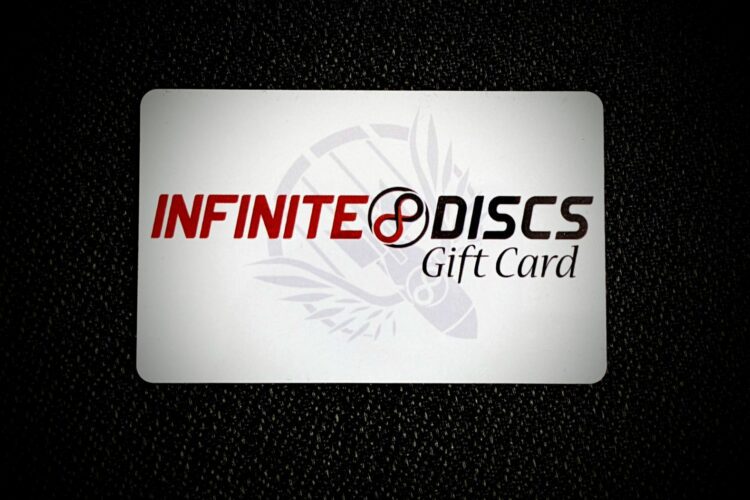
An Infinite Discs E-Gift Card is the perfect solution. Available in a variety of denominations, or a custom amount. Your disc golfer will love the freedom to choose their own disc, accessories, apparel, what ever we have on our massive website.
Click the link below to check out our E-Gift Card options.
Disc golf borrows plenty of language from ball golf, but some terms are uniquely our own, especially when it comes to describing how discs actually fly. Two good examples are hyzer and anhyzer. If you’ve spent any time on the course, you’ve almost certainly heard players use these words to explain different shot shapes. In this post, we’ll break down what each term means, why they matter, and how they are used in disc golf.
Hyzer vs. Anhyzer: What’s the Difference?
Hyzer and anhyzer refer to the angle of the disc at the moment it leaves your hand. For a right‑hand backhand (RHBH) thrower, a disc released perfectly flat (parallel to the ground) doesn’t qualify as either. But once that disc is tilted on release, it becomes a hyzer or anhyzer angle. Let’s break down what each one means and how to use them effectively on the course.
What is Hyzer?
photo courtesy DGPT
A hyzer describes a release angle where the far edge of the disc sits lower than the edge closest to the thrower. For a right‑hand backhand (RHBH) player, this means the disc is tilted downward and to the left at release. Hyzer angles open the door to several useful shot shapes:
Shaping a Curve
A hyzer shot is great for navigating around obstacles and achieving a hard left finish. Since the disc is already angled, it naturally curves in that direction.
Hyzer-Flipping
By throwing an understable disc on a hyzer angle, the disc can “flip” to flat during its flight, resulting in a long, straight path before fading. This is known as a hyzer-flip and is a popular technique for gaining extra distance.
Spike Hyzer
For situations requiring hitting a technical target, a steep hyzer angle creates a vertical descent upon landing, minimizing skips. Conversely, a less steep hyzer can produce intentional skips, especially when using an overstable disc.
Wind Considerations
Wind greatly impacts hyzer shots. A right-to-left wind can amplify the hyzer angle, pushing the disc farther left. Conversely, a left-to-right wind can force the disc downward more quickly, limiting its distance.
Pro Tip: For beginners, practicing a hyzer shot involves bending slightly at the hips and maintaining a consistent release angle.
What Is Anhyzer?
An anhyzer, often called an “anny”, is the opposite of a hyzer release. It’s when the far edge of the disc sits higher than the near edge as it leaves your hand. For right‑hand backhand (RHBH) throwers, this release angle sends the disc turning to the right before anything else happens. Anhyzer angles open up several valuable shot options:
Photo courtesy DGPT
Flex Shots
Releasing a stable disc on an anhyzer angle forces it to turn right early, then “flex” back left as it fights to regain stability. This is a go‑to technique for carving complex fairways or squeezing out extra distance.
Tailwind Control
Anhyzers pair well with tailwinds. The wind helps steady the disc, allowing it to finish its natural fade to the left. In headwinds, though, be careful, an anhyzer release can turn too hard and dive into the ground.
Roller Shots
For rollers, an anhyzer release helps the disc land on its edge and transition smoothly into a controlled roll. The disc’s spin keeps it upright and moving down the fairway for maximum ground distance.
Conclusion
Developing a solid understanding of hyzer and anhyzer angles is important for helping you choose your shots. Once you can control these release angles, you’ll be able to shape lines more consistently, work around obstacles, and handle a variety of wind conditions with confidence.
A great way to build that control is to head to an open field and experiment with different release angles. Watching how each disc reacts in the air will help you learn when, and why, to choose a hyzer or anhyzer shot.
For more info, be sure to check out the video below. With consistent practice, these techniques will quickly become powerful tools in your disc golf toolkit.
Disc golf has grown rapidly in popularity, and with that growth comes a closer look at the rules that shape competitive play. One rule stand out among all other rules because it is optional. That rule is the two-meter rule. While it may seem straightforward, its optional status and the way it impacts players make it one of the more controversial topics in disc golf today.
How the Two-Meter Rule Works
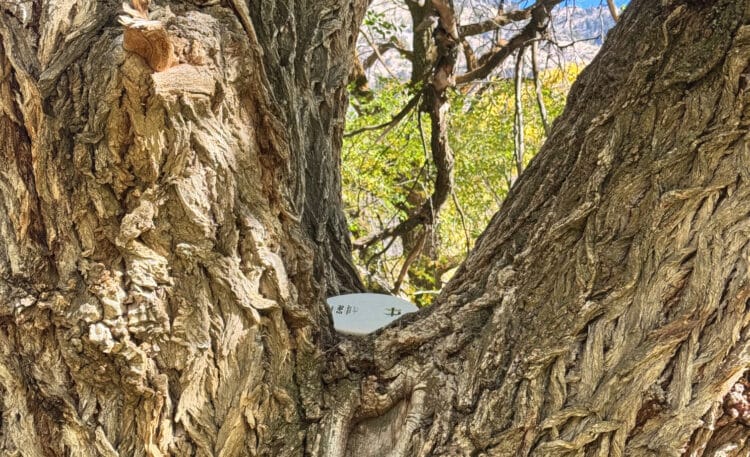
The two-meter rule applies when a disc comes to rest at least two meters above the in-bounds playing surface, most often stuck in a tree. If the rule is in effect, the player receives a one-stroke penalty and must mark their lie directly beneath the disc. The rule is listed under section 805.02 of the Professional Disc Golf Association (PDGA) rulebook.
Importantly, this rule is not automatically enforced. Tournament directors decide whether it applies, and they may choose to enforce it across the entire course, on specific holes, or even on certain objects. If the disc is supported by the target basket, the rule does not apply.
Why Players Disagree About the Rule
Many disc golfers argue that the two-meter rule feels unfair because it punishes players twice. Not only is the disc stuck in a possibly undesirable position, but the player also receives a penalty stroke. Since disc golf already involves a degree of luck when discs hit trees, adding a penalty can feel excessive.
Another source of frustration is inconsistency. Because tournament directors have discretion, players may encounter the rule in one event but not in another. This lack of uniformity leads to confusion and debate about whether the rule should exist at all.
Measurement is also a sticking point. Determining whether a disc is truly two meters above the ground is often subjective, as few players carry measuring tools. This can spark disagreements among cardmates and slow down play.
Arguments in Favor of the Rule
Supporters of the two-meter rule believe it adds an element of risk management to the game. Players must weigh the decision to throw high shots in wooded areas, knowing that a disc stuck in a tree could cost them a stroke. In this way, the rule encourages smarter shot selection and rewards accuracy.
Additionally, the rule can prevent unsafe or impractical lies. Without it, players might attempt to climb trees or play from dangerous positions (I’ve seen that happen once. The disc wasn’t very high in the tree, and taking a lie in the tree gave them an advantage). By requiring the lie to be placed directly below the disc, the rule simplifies play and reduces risk.
The Future of the Two-Meter Rule
The PDGA currently lists the two-meter rule as optional, leaving the decision of whether or not to use it up to tournament directors. Some players hope for its removal from the rulebook entirely, while others believe it should be standardized across all events. Until a consensus is reached, the debate will continue, and players should always check with the tournament director before play begins.
Whether you love it or hate it, the two-meter rule is part of disc golf’s current rulebook. Understanding how it works and why it divides opinion will help you navigate tournaments more confidently and avoid unnecessary penalties.
The holidays are here, and there’s no better time to treat the disc golfer in your life to something that fuels their love for the sport. Whether you’re shopping for a seasoned pro, a brand‑new player, or someone who simply can’t resist adding “just one more” disc to the bag, this Christmas gift guide has you covered. From high‑end gear to budget‑friendly stocking stuffers, you’ll find thoughtful ideas for every type of player, and maybe even a few things you’ll want to snag for yourself.
Keep reading to learn how you can score a gift card, too!
One way to make a disc golf round a lot more enjoyable is with a disc golf cart. They make it easier to haul your discs, and anything else you want to take with you. There are some great options for cart.
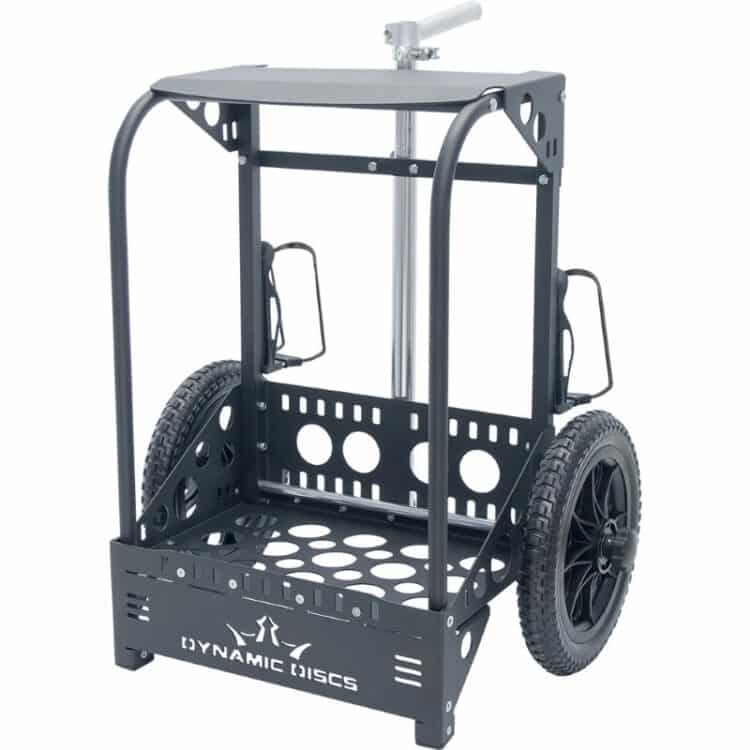
Dynamic Discs Backpack Cart LG – The Backpack cart is a great way to carry your existing bag on courses that are cart friendly, and removing your bag for courses that are not cart friendly.
Rovic Cart RV1D 2.0 – Another type of cart that allows you to use your existing bag. The Rovic keeps your bag a little higher, for less bending down to choose a disc. The Rovic folds down to a small profile for transporting to and from the course.
Zuca EZ Cart – Your existing bag will sit on this cart, with additional storage below the shelf where the bag sits.
Drastically improve your putting ability by picking up a practice basket. Portable baskets are easy to set up, and they are a great way to get in some putting reps whenever you have a few minutes.
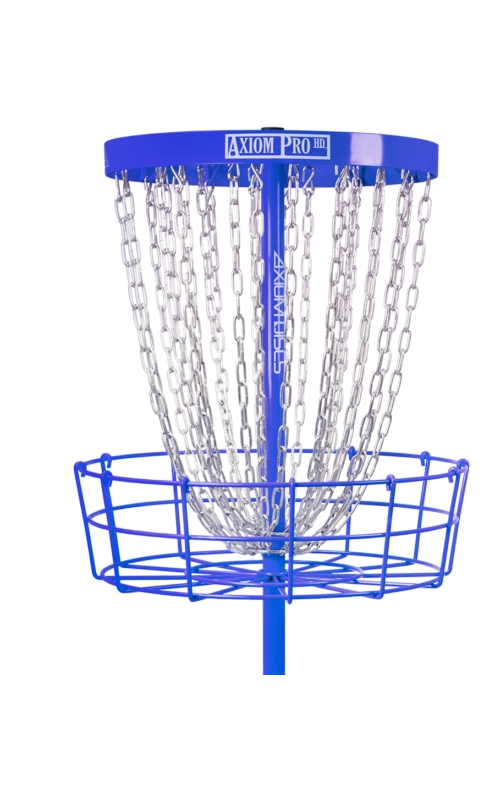
Axiom Pro HD – The Pro HD comes in a variety of colors, and assembles or disassembles in less than a minute.
Innova Discatcher Traveler – A cloth version of a practice basket, the Discatcher Traveler is a light basket that holds a ton of discs in the cage. Includes a bag for easy transport to a park or beach.
Doomsday Discs Lite – Two rows of 12 chains give this basket a lot of disc-grabbing power. At $115, the Lite is a great basket for the money!
Apex NP600 Rangefinder – The Apex has multiple modes to help you with uphill or downhill shots, as well as open, flat shots. It is specifically designed for disc golf. Can be set for feet or meters.
MVP Parsec Laser Rangefinder – The Parsec has 6x magnification, magnetic mount, and a rechargeable lithium battery, among other features.
Eagle Seeker – The Seeker has crystal-clear optics and cutting edge technology. It has all the features of more expensive rangefinders, at a bargain price.
Having the proper training aids at your disposal makes practicing a breeze. Watch the strokes drop as your skill improves.
Practice Net – Practice your form in your backyard with a practice net. The net allows you to take full-power throws to work on form and footwork.
Gyro Ball – Strengthen your wrist with the use of the Gyro Ball trainer. In addition to strengthening, you can also keep it in your bag to make sure your wrist stays warmed up during a long round.
MVP Pod V2 – Used in conjunction with a practice basket or practice net, the Pod V2 holds your practice discs and keeps them within easy reach for rapid reps.
Bags come in a variety of sizes, shapes, colors, and storage capacities. Find exactly what you need at Infinite Discs.
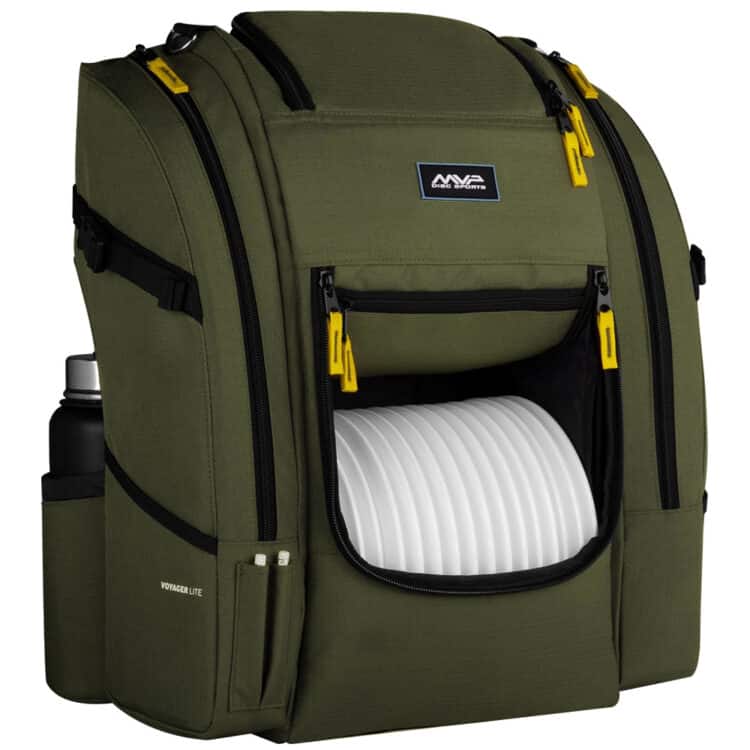
MVP Voyager Lite – At the low end of backpack bags, the Voyager Lite is chock full of features. It has plenty of storage space, holds tons of discs, and could be used for casual rounds or multi-day tournaments.
Infinite Discs Huck Pack – The Huck Pack is an inexpensive, mid-sized bag. It holds enough discs for a round, plus two water bottles. The Huck Pack has a mini-pocket and putter pockets.
Divergent Disc Golf Bag – This bag is the perfect size if you just want a quick round, or if you are just starting out in disc golf. It holds a water bottle and 8-10 discs. Even if you have a bigger bag, it’s nice to have a smaller bag for quick rounds.
Losing a disc is painful! Having a retriever on hand might save you from losing a go-to disc.
Max Stick 20 Ft Carbon Fiber Retriever – The Max Stick is a great retriever for getting discs out of the water or a tree. Retrievers pay for themselves by getting your wayward discs back.
Dynamic Discs Glow Retriever – The Golden Retriever is a great retriever for getting disc out of lakes or ponds. Throw the retriever past the disc and pull it back to you. Although it is possible to retrieve a disc you can’t see (I’ve done it), it certainly speeds up the process if you can aim for the disc.
Max Stick Glow Attachment – If you have an existing retriever, but want to make it a suction ball retriever, jut pick up on of these glow attachments. Note: These have M5 threads. Although they fit most retrievers, they don’t fit Kwik Stick pole.
If you’ve been playing disc golf very long, you know that your disc collection has grown quite a bit. Rather than stuffing those discs in a box where they are out of sight, get a storage solution and both organize and display your collection.
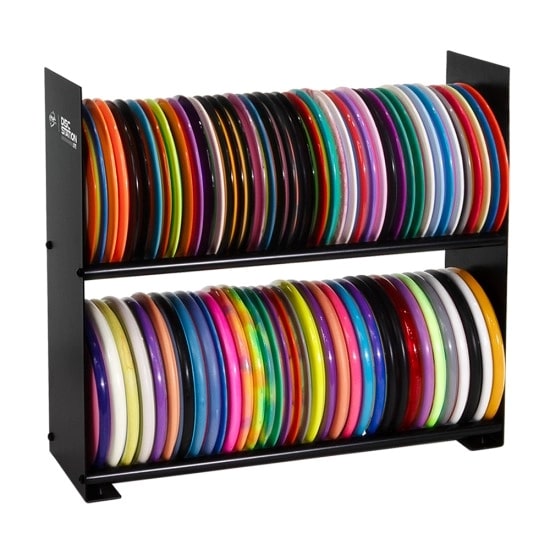
MVP Disc Station Lite – The Disc Station Lite holds dozens of discs on two shelves. It can be set up on the floor or on a table.
Shadow Pine Disc Rack – The beautiful rack is hand-made out of pine, to give you a durable place to store your discs. It has four shelves to hold your disc stash. Or you can store discs on the upper shelves and your bags and gear on the bottom shelf.
MVP Disc Station VI– If you need tons of storage space, check out the Disc Station VI. With six shelves the Station easily holds over 240 discs. This sturdy rack is made of metal.
Disc Tote – The Infinite Discs Disc Tote offers a straightforward solution for disc storage and organization. Whether in your room, closet, or the trunk of your car, this tote keeps your collection tidy and accessible. With a capacity of 60–80 discs, it’s perfect for storing backups and alternate molds.
Round Inca Puzzle – If puzzles are your jam, this challenging 1000-piece puzzle will give you hours of relaxing fun. Perfect for those cold days when you can’t make it to the course.
Birdie Pro Game – Strategy, luck, and karma come into play with this board game. It’s a great way to enjoy disc golf at home. Up to six people can play, giving you hours of birdie fun.
RIPT Showdown – Want to add a little variety to your casual rounds? RIPT cards offer offensive and defensive actions that force you or your buddies to take unusual shots, alter score, or play in a way that you don’t see in a regular round.
If you don’t like to stop playing when the sun goes down, check out these glow accessories. From disc lights to UV flashlights, these items will let you have a fun time in the dark. If you haven’t played a glow round, you’re missing a lot of fun!
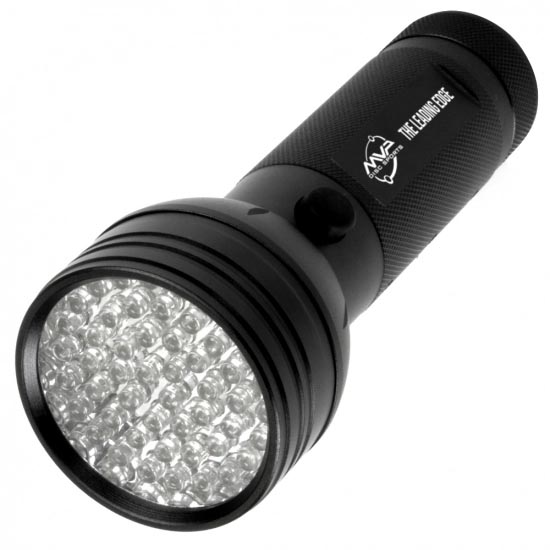
UV Flashlights – The perfect tool for charging glow plastic.
Disc Lights – Tape these lights on your go-to discs to throw them in the dark.
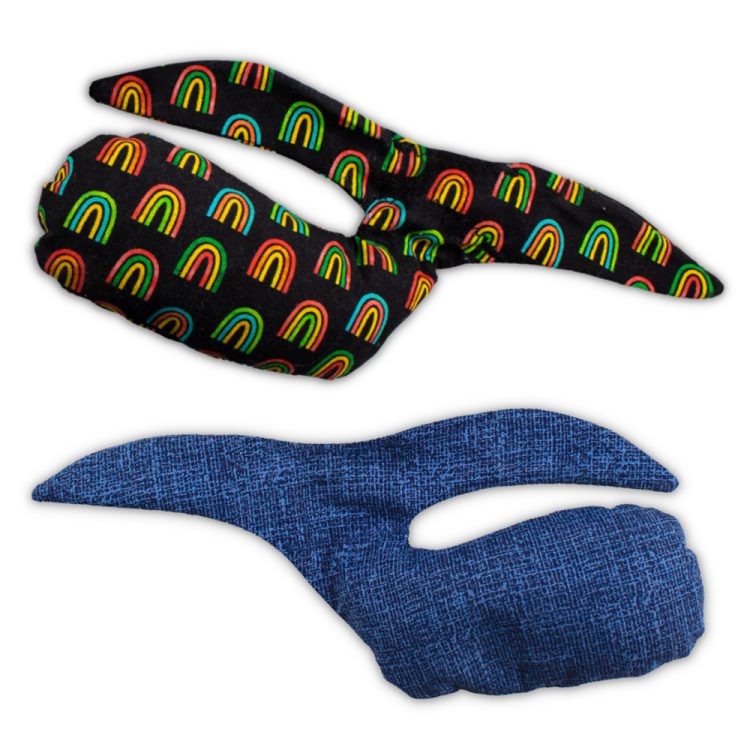
Having the grip on your disc be exactly what you want is crucial in disc golf. There are products to give you more grip, or less. Do you sweat a lot and want a dry grip? Check out the Grip Buddy or Whale Sacs. Do you like extra grip when throwing max power? Try Bird Sauce or Max Wax.
Hats are an essential accessory, shading your eyes on a sunny day. They not only protect you from the sun, they let you make a statement about the brands that you love.
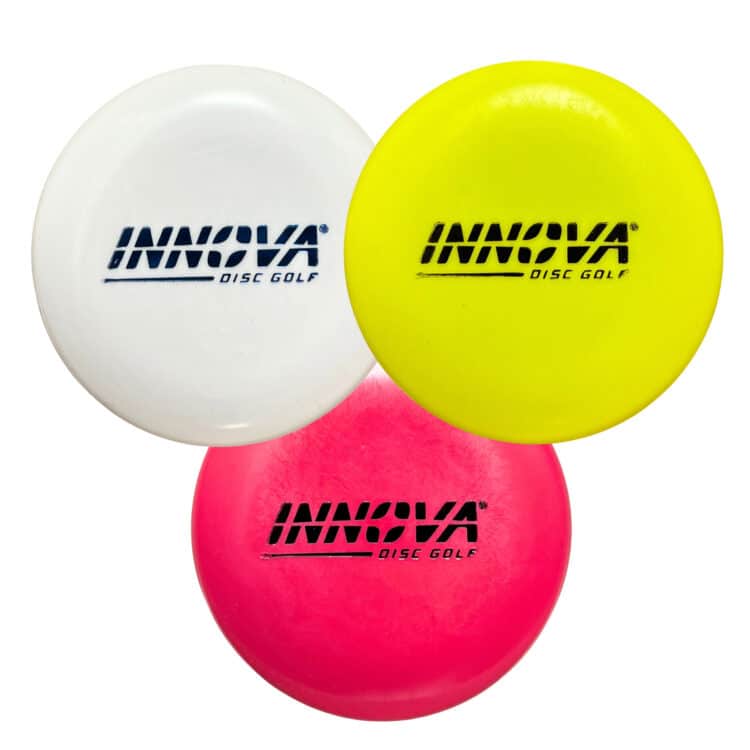
For a playful and memorable gift, consider surprising someone with a box of assorted discs. Each mystery pack delivers a blend of premium plastics, eye‑catching stamps, and unexpected molds, perfect for players who enjoy experimenting with new plastic. These mystery boxes are available in multiple sizes and price ranges, making it easy to find an option that fits your budget while still delivering that “what’s inside?” excitement.
If you’re still unsure what to get the disc golfer in your life, an Infinite Discs gift card is the perfect all‑around solution. Instead of guessing their preferred colors, molds, plastics, or weights, you can let them pick out the exact discs or accessories they’ve been eyeing. It’s a foolproof way to make sure they end up with something they truly want, and it’s one of the most convenient, stress‑free gift options available for any disc golf fan. Plus, the digital gift card code is delivered instantly, making it ideal for last‑minute gifting or quick surprises.
What’s Christmas without a little fresh plastic under the tree? Discs are easily one of the most appreciated gifts for any disc golfer, and Infinite Discs makes it simple to find something they’ll love. With new molds arriving constantly, frequent sales, and all the top sellers from the biggest brands, you’re guaranteed to find a disc that fits both your needs and their wish list. Explore a few helpful links below:
Newly Added Molds
Check out the Newly Added Molds to see the discs that have just been added to our system. These can include restocks of popular molds or limited‑edition releases that tend to disappear quickly. It’s the best place to snag the exact mold, color, and weight you’re after, often before most players even know they’re available.
What Discs Are on Sale
Looking for a deal? Visit What discs are on sale to save money on top brands and popular molds. You might even discover a new favorite from a brand you haven’t tried yet. There’s always something discounted.
Misprint Discs
Want the perfect combination of value and performance? Browse our Misprint Discs section. You get the same mold, plastic, weight, and feel, just with a cosmetic stamp error—at a lower price. Misprints are also ideal for disc dyers since the stamp will be removed anyway.
Highest‑Rated Discs
Curious what other players are loving? Check out our highest‑rated discs to see which molds are earning the most praise. You can browse by category, overstable drivers, putters, midranges, manufacturer lists, and more, to find the best‑reviewed discs in the slot you’re shopping for.
Top Selling Discs
You can also explore our top selling discs, sortable by category such as last year’s best sellers, top‑selling drivers, or the most popular understable discs. It’s a great way to see what’s consistently flying off the shelves.
Disc Golf Favorites List
If you’re still unsure which discs they might like, the fool‑proof method is to use the Infinite Discs Favorites feature.
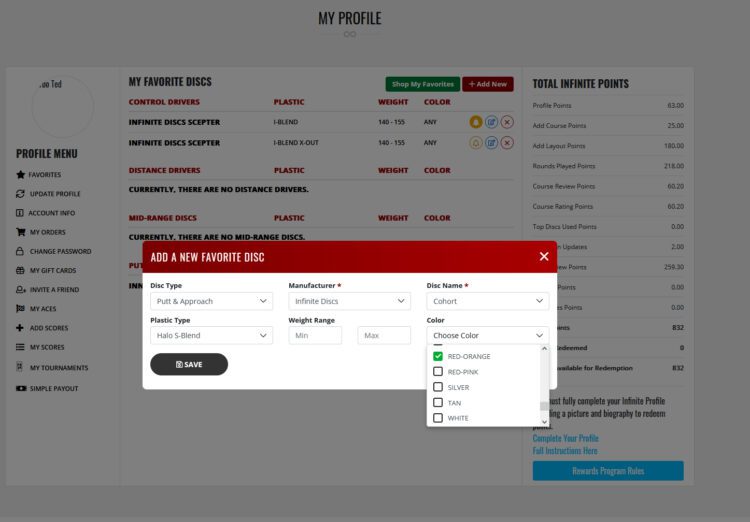
Under My Profile, players can save their favorite molds to a personalized list. From there, they can choose to receive notifications whenever those discs come back in stock. They can even filter their favorites by plastic type, weight, and color to dial in exactly what they want.
Here’s how it works:
On any disc mold page, click the ADD TO MY FAVORITES button.
Select the specific options you want to track: weight, color, plastic, etc.
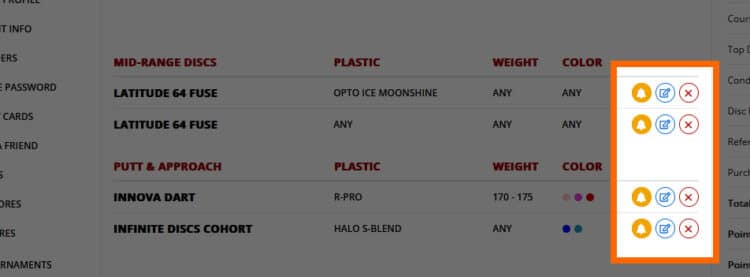
Use the icons next to each saved disc to toggle email notifications, edit your preferences, or remove items from the list.
Ask your disc golfer to show you their Favorites list, and you’ll know exactly which discs will make their holiday perfect.
Disc Golf Gifts for Every Budget
From base to premium plastics, from starter bags to disc golf carts, you’ll find something for everyone on your list. Still not sure what to get? Maybe an Infinite Gift card would be the right choice. What ever your disc golf gift needs might be, Infinite Discs can help!
Gift Card Winners!
We asked you to let us know what gift you would like, and you responded! We randomly selected a few people to win a $50 gift card. Here are the winners:
Kirk R – Says a chalk bag tops his list
Matt – He admitted he’s addicted to plastic
Alex K – Conveniently, he wants a gift card
Bob T – Wants some storage options
Andrew M – Still deciding between a hoodie, rangefinder, or a net
Season’s Greetings! Christmas is right around the corner, and with that comes the question, “What is the latest date we can ship something and still have it arrive before Christmas?”
Any orders we receive before 3 PM MST should leave our facility the same day. After the order is processed, the carriers we use to deliver your orders have their own cut-off estimates regarding the Christmas delivery window.
Packages shipped on or before the dates listed below are estimated by the carrier to arrive before Christmas.
Since unexpected circumstances may delay the amount of time it takes a carrier to deliver the package, we urge you to place your orders as soon as possible. We can’t control delivery times after the order leaves our warehouse and hate to see anyone left empty handed on a last-minute gift because of an unexpected delay.
Here is a list of cutoff dates as posted by the shipping carriers we use.
The deadline for shipping USPS via Ground Advantage/First Class is Wednesday, December 17.
Priority Mail should give you an extra day making the Priority deadline Thursday, December 18.
2025 Holiday Shipping Dates for Contiguous U.S. (Lower 48 States)
Recommended send-by dates for expected delivery before December 251
If you find that you will need a faster delivery than UPS Ground, contact Infinite Support for expedited options and prices: support@infinitediscs.com
What if neither shipping service can get my package to me in time?
Sometimes, despite best intentions, shipping deadlines have come and gone and receiving a package in time for Christmas is not possible.
Fear not, you still have an option! Infinite Discs Gift cards are a wonderful gift idea. You can purchase gift cards in any denomination you want to create. The digital gift card will be instantly delivered to the email address provided as soon as the purchase is completed. What better way to give your disc golfer exactly what they want.
Christmas Gift Suggestions
If you are still looking for gift ideas, check out our Christmas Gift Guide HERE. And make sure you get your disc golf gift ordered soon, to ensure it will make it to you in time.
We were made aware of a phishing scam in which hackers are impersonating Infinite Discs using a fake domain designed to look like ours. Their goal is to deceive customers into visiting a harmful website.
The fraudulent domain being used is:
InfinitiDiscs.com
(Note the second “I” in “Infiniti.” Our legitimate domain is spelled with an “E”: InfiniteDiscs.com.)
This domain is not owned, operated, or associated with Infinite Discs. It was created by scammers attempting to mimic our brand and mislead users.
Do Not Open Emails Encouraging You To Visit InfinitIdiscs.com
If you receive an order “confirmation email” from a strange looking email address —especially if you have never placed an order with InfiniteDiscs.com —please delete the email immediately. Do not open it.
These emails do not come from us. They are being sent by hackers and may contain harmful links, malware, using fake order confirmations intended to trick recipients into clicking or downloading malicious files.
You will only receive an order confirmation or shipment notification from InfiniteDiscs.com. We will never send an order confirmation unless you actually placed an order, and we will never request that you download any files.
What We Are Doing About the Fake Domain
We have reported the malicious domain InfinitiDiscs.com to the hosting provider and relevant abuse authorities. We hope that the provider will take action to remove the site so that it cannot continue deceiving customers or spreading harmful content.
We will continue monitoring the situation and will take any further steps needed to protect our customers and the disc golf community at large.
As disc golfers, most of us have a love/hate relationship with bodies of water. Having a water hazard definitely makes disc golf more interesting, fun and challenging. But there is always a chance we may lose a disc in the water. It’s bad enough having to take a penalty stroke, but if we lose a disc that we really like, it is incredibly painful. One thing that might improve our chance of getting a disc out of the water is whether or not it floats
What Makes a Disc Float?
There are a couple properties that allow a disc to float, while others sink like a rock. Plastic density is a common one. Some discs are made with plastics that make them more buoyant. The addition of air bubbles in the plastic also makes a disc more likely to float. One of the biggest factors is disc weight. Extremely light-weight discs will float. The problem is getting such a light disc to fly properly, since we don’t normally throw super-lightweight discs. If you would rather have a heavier disc, you’ll need to get a
Advantages of Floating Discs
Peace of Mind: Knowing your disc will not vanish beneath the surface reduces anxiety on water-heavy holes.
Cost Savings: Losing discs adds up. Floating discs help protect your investment.
Confidence Boost: Players often throw more freely when they are not worried about losing gear.
Beginner Friendly: New players benefit from discs that forgive errant throws into water. Plus they are more likely to throw lighter discs.
Limitations to Consider
Floating discs are not perfect. They may drift with currents, making retrieval tricky. Wind can push them farther from shore, and some plastics may not fly as consistently as premium blends. Additionally, floating discs are not always available in every mold or weight, so players may need to adjust their bag strategy. Still, for courses with lakes or rivers, carrying at least one floating disc is a smart move.
Best Ways to Retrieve Discs from Rivers and Lakes
Even with floating discs, retrieval is not always straightforward, or sometimes even possible. Here are the most effective methods average disc golfers can use to recover discs safely and efficiently:
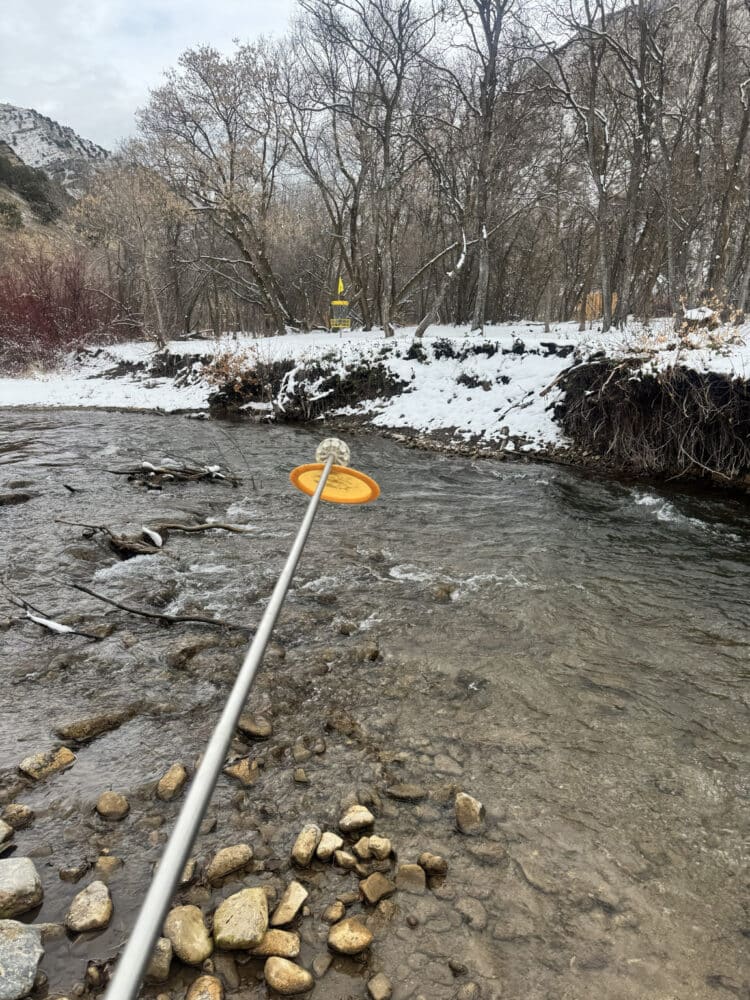
Use a Disc Retriever Pole: Telescoping retrievers are lightweight tools that extend several feet, allowing you to snag discs near the shore. They are especially useful for discs caught in reeds or shallow water. There are many different types of retriever tips, but the sticky-ball type works great in water.
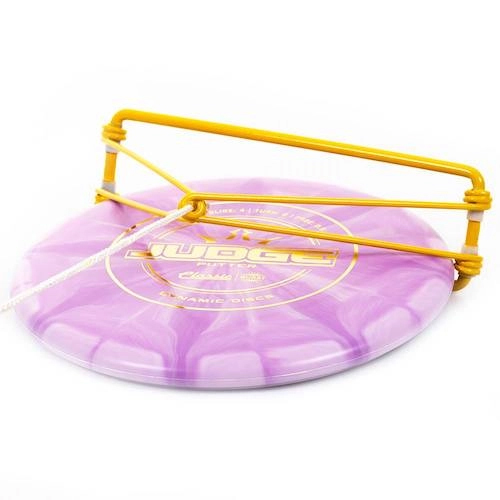
Carry a Throw Rope: Some players use a weighted rope to lasso discs floating farther out. This requires practice but can be surprisingly effective.
Wade Carefully: If the water is shallow and safe, wading in can be an option. Always check for slippery rocks, sharp debris, or strong currents before stepping in. Safety should come first.
Use a Stick or Branch: Improvised tools like long sticks can help push or pull discs closer to shore. This is a quick solution when retrievers are not available.
Wait for Drift: In rivers, discs often drift toward calmer areas or natural catch points. Patience can sometimes be the easiest retrieval method.
Teamwork: Playing with friends increases your chances of recovery. Multiple eyes and hands make retrieval faster and safer.
Safety First
It is important to emphasize safety when retrieving discs. No disc is worth risking injury. Avoid deep water, strong currents, or areas with unclear footing. If a disc floats beyond safe reach, consider letting it go. Many courses have lost-and-found systems, and other players may return discs they recover. Staying safe ensures you can enjoy disc golf for years to come.
Tips for Average Players
For everyday disc golfers, floating discs and retrieval strategies are about balance. You do not need to replace your entire bag with floating models, but carrying one or two can be a smart insurance policy. Pair that with a simple retriever tool, and you will be prepared for most water hazards. Remember that confidence on the tee often translates to better throws, so reducing the fear of water loss can improve your overall game. Practice with your floating discs to understand their flight characteristics, and do not be afraid to experiment with different retrieval methods until you find what works best for you.
A much more popular option for disc golfers is to carry a few ‘sacrificial’ discs. Those are discs that you can lose, and not worry about. Then, if there is a hole where water comes into play, you can throw the sacrificial disc.
To see all of the floating discs that Infinite has in stock, click our Advanced Search option HERE, click ‘Extras’, then check the ‘Float in water’ option
Conclusion
Water hazards are part of the charm and challenge of disc golf. Floating discs provide a practical solution for average players who want to protect their gear and play with a little more confidence. Combined with smart retrieval techniques, they help turn potential frustrations into manageable obstacles. By preparing for rivers and lakes, you can focus on the joy of the game rather than the worry of losing discs. Next time you step onto a course with water in play, consider adding a floating disc to your bag and a retriever to your toolkit. Your future self will thank you when your disc sails a little too far but stays afloat, waiting for you to bring it back to shore.
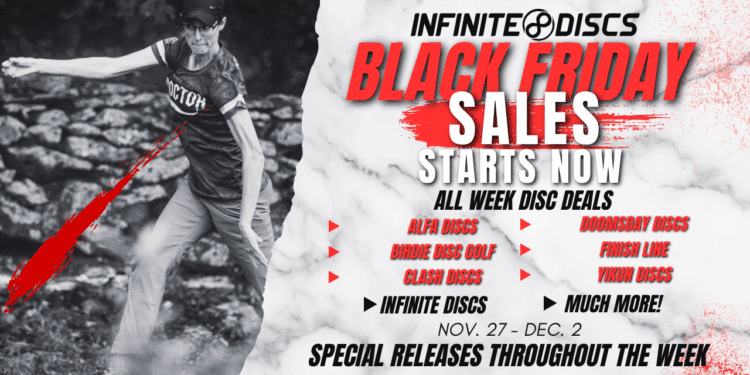
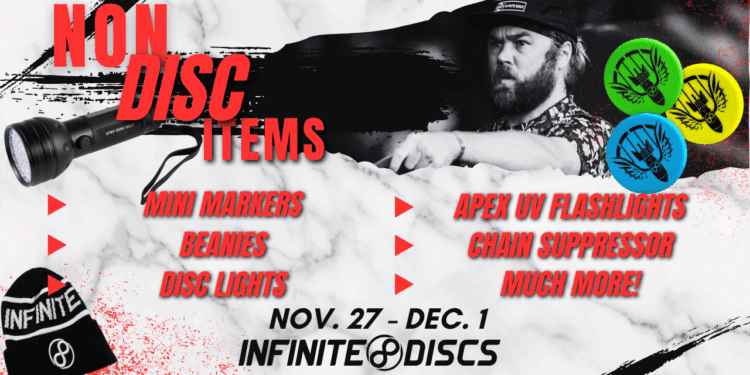
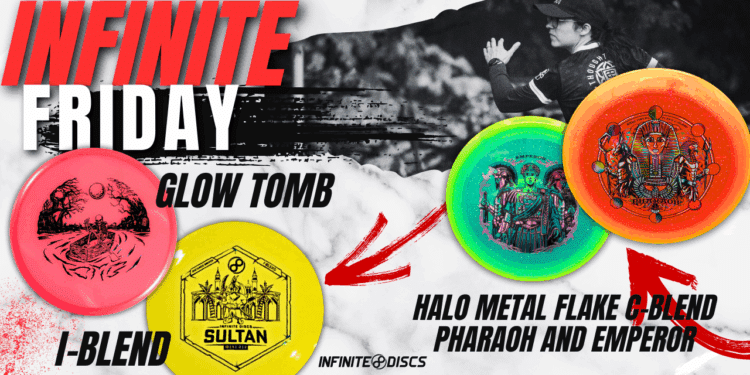
BLACK FRIDAY SALE 2025
November 27th – December 2nd
Disc Golf’s Biggest Sale of the Year!
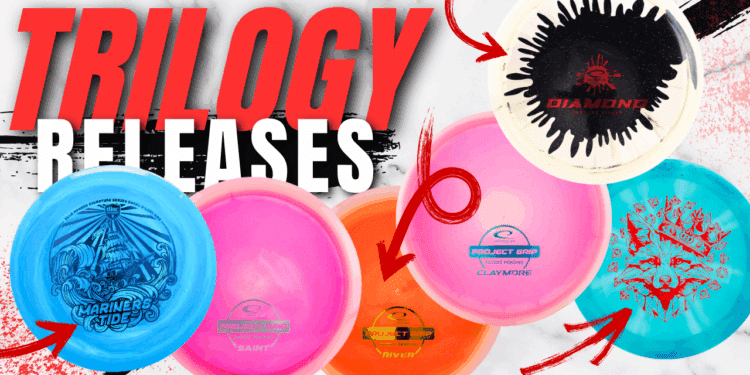
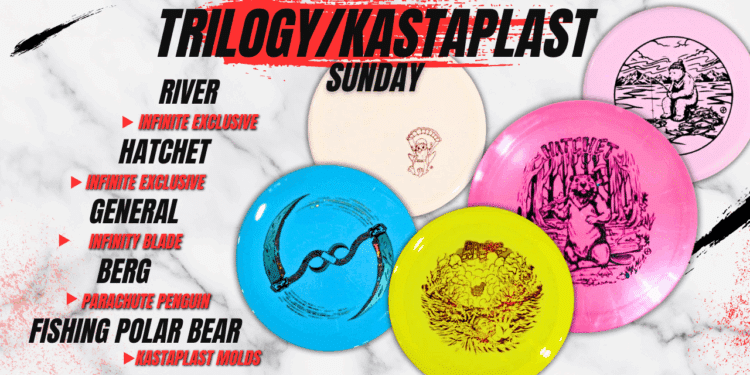
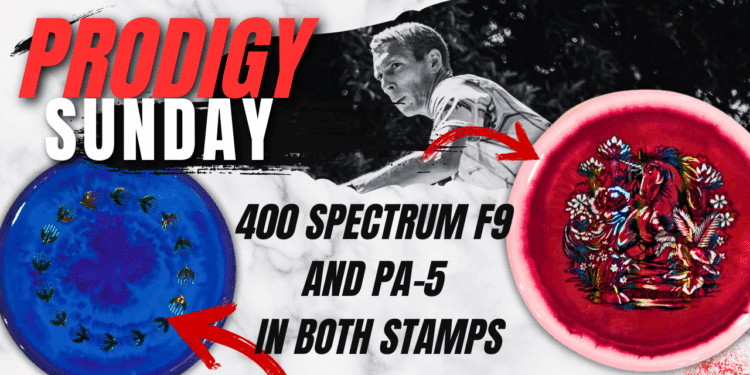
We put together a collection of exclusive disc releases and fun discounts that will last for several days. Check out the day-by-day list of discs and deals here!
Thanksgiving – Thursday Nov. 27th
We’ll kick off some discounts on Thanksgiving that will run for the entire sale, through December 2nd. You can order right away, or you can add these discounted brands and accessories to your order later in the week with other drops for your convenience.
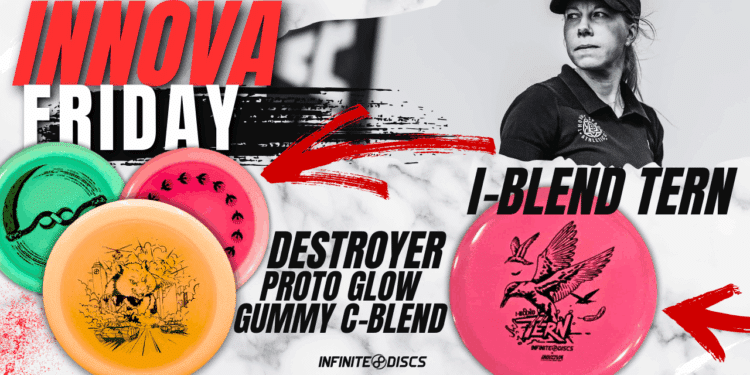
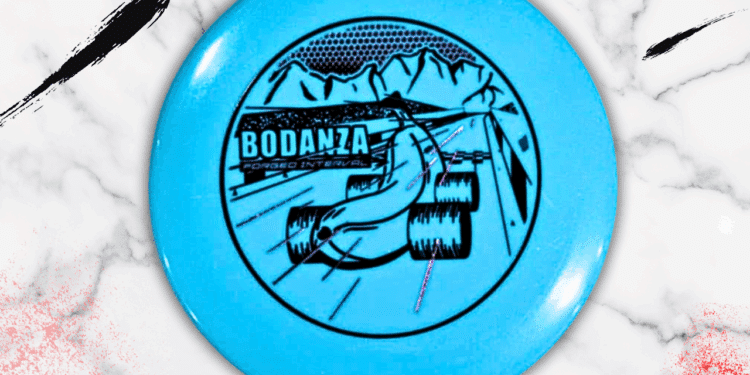
After the popular releases of the I-Blend Wraith and I-Blend Teebird, we’re following up with another exclusive collaborative run in Infinite’s I-Blend plastic for the understable distance driver, the TERN!
Get it for a limited time, while supplies last, and on sale for Black Friday!
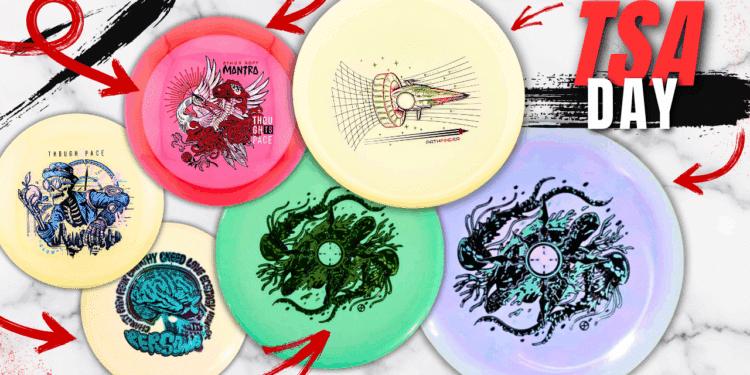
The Destroyer has been a long-time top-selling disc golf distance driver for many years. Now we have it available in the Gummy Proto Glow plastic for the cold months. They come in a variety of different stamps. You’ll find the “Destroyer of Worlds” Hamster stamp, or a clean Infinite Bomber Ring, or you can get the Infinity Blade. No matter the stamp, they’ll all be great flyers in a more flexible Gummy Champion plastic!
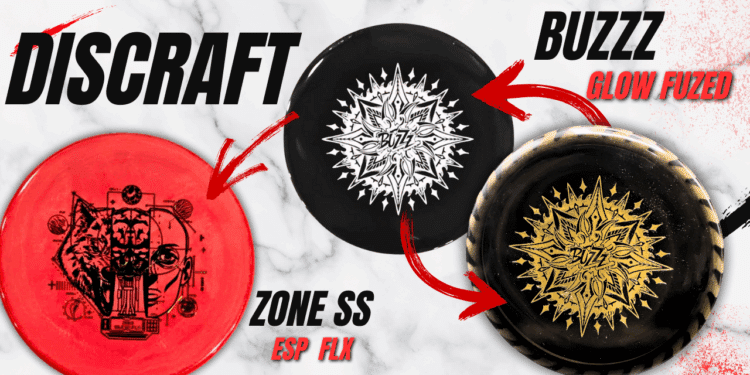
All DISCRAFT discs are automatically discounted on Saturday, so stock up on your favorites, and don’t miss out on our exclusive drops for the day! SHOP ALL DISCRAFT HERE
Infinite Discs teamed up with Discraft for a special run of “Buzzzsaw” Fuzed Line Buzzz discs. Half of the run has black flight plates with a glow saw, while the other half has glow flight plates with a black saw! These are limited to approximately 300 per variant and only available here on Saturday.
We also teamed-up with Discraft for a special run of the new ZONE SS approach putter in ESP FLX (flexible ESP) plastic! There are approximately 500 of these available in the run!
USE THIS PROMO CODE FOR AN ADDITIONAL 10% OFF YOUR ORDER BEFORE CHECKOUT FOR MVP, AXIOM, and STREAMLINE:
MVP10
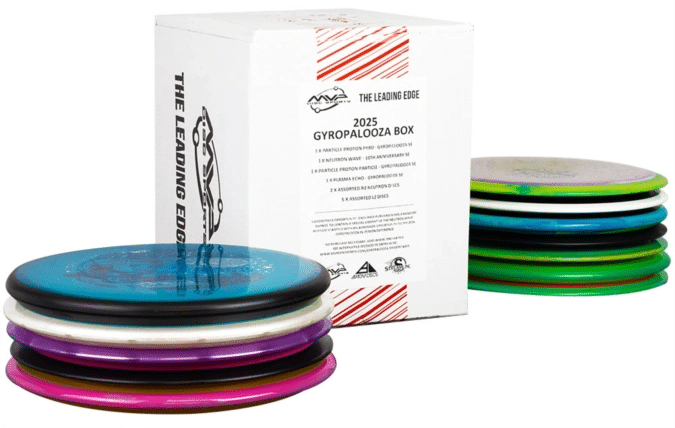
*Gyropalooza Box and accessories are not included
*Code will work on Monday, December 1st
*Code MUST be entered in promo code box BEFORE completing checkout (not the “gift card” box) – After order is complete, we can’t go back and apply the code.
Plus Tune in for the Biggest WHATNOT Disc Golf Show Ever by Discount Disc Golf for Fast-Paced Auctions starting at Noon MST, and running all afternoon and evening!
NOTE: Please do not request that orders be held throughout the sale and combined to ship at the end. Due to the very large volume of orders and our limited crew, we will ship as quickly and as effeciently as possible. It is problematic to track a large number of special “hold” requests. Thanks for your understanding.



 Hyzer and anhyzer refer to the angle of the disc at the moment it leaves your hand. For a right‑hand backhand (RHBH) thrower, a disc released perfectly flat (parallel to the ground) doesn’t qualify as either. But once that disc is tilted on release, it becomes a hyzer or anhyzer angle. Let’s break down what each one means and how to use them effectively on the course.


 Developing a solid understanding of hyzer and anhyzer angles is important for helping you choose your shots. Once you can control these release angles, you’ll be able to shape lines more consistently, work around obstacles, and handle a variety of wind conditions with confidence.
 Why Players Disagree About the Rule
 The Future of the Two-Meter Rule



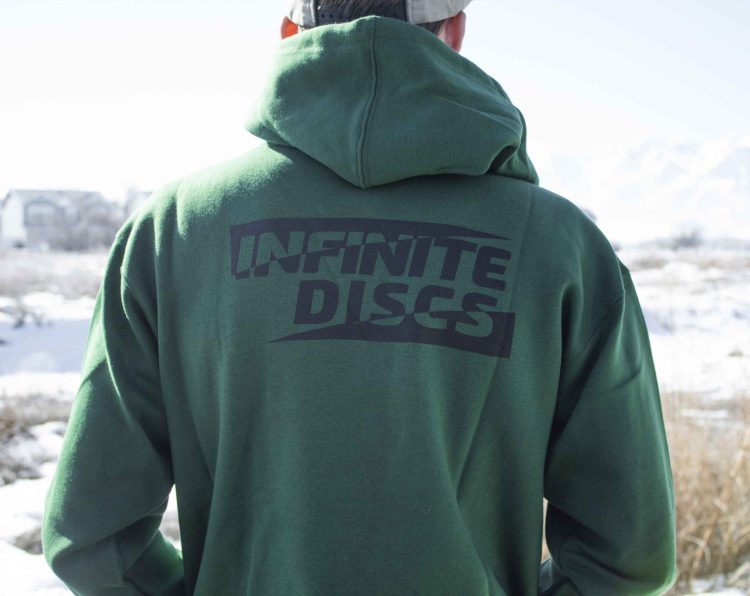 Hit the cold in comfort and style with these
  Excellent for keeping your noggin’ warm on a chilly day, these beanies come in a variety of styles and colors.
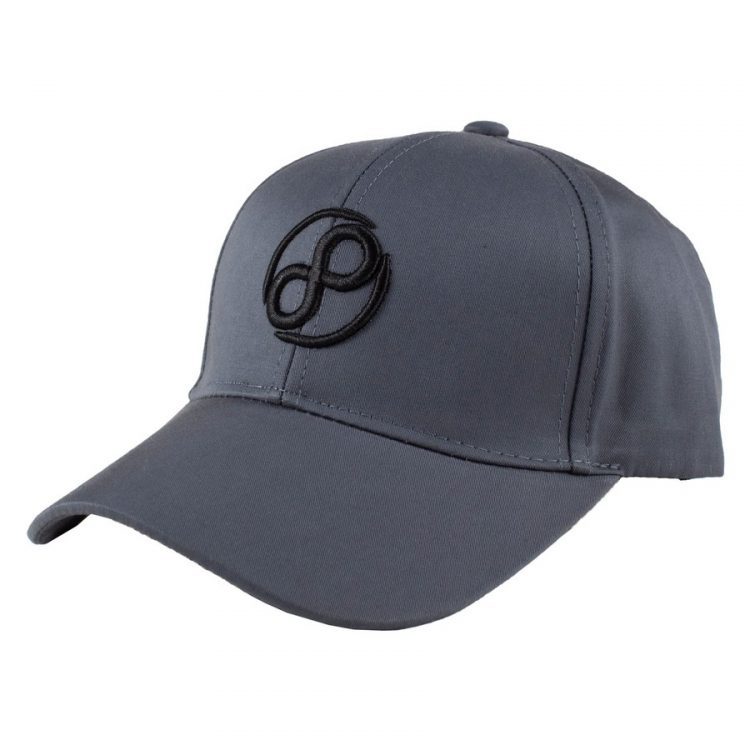 Hats are an essential accessory, shading your eyes on a sunny day. They not only protect you from the sun, they let you make a statement about the brands that you love.
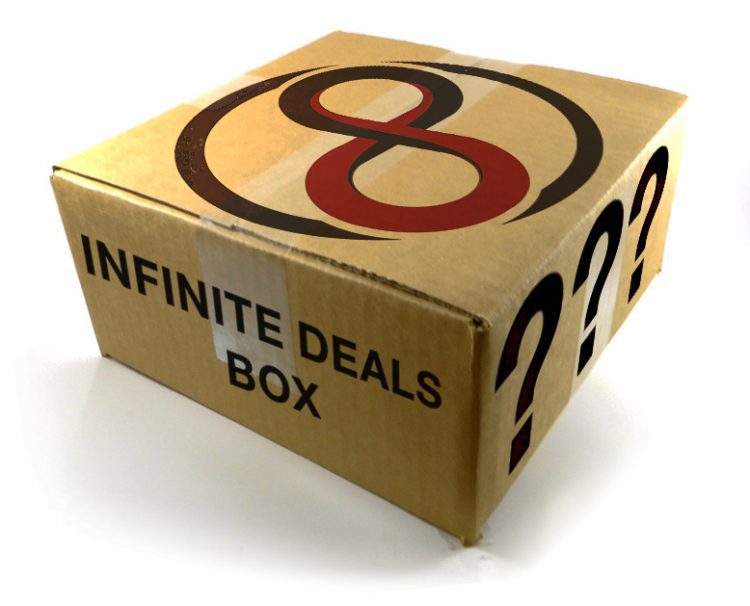 For a playful and memorable gift, consider surprising someone with a box of assorted discs. Each mystery pack delivers a blend of premium plastics, eye‑catching stamps, and unexpected molds, perfect for players who enjoy experimenting with new plastic. These mystery boxes are available in multiple sizes and price ranges, making it easy to find an option that fits your budget while still delivering that “what’s inside?” excitement.
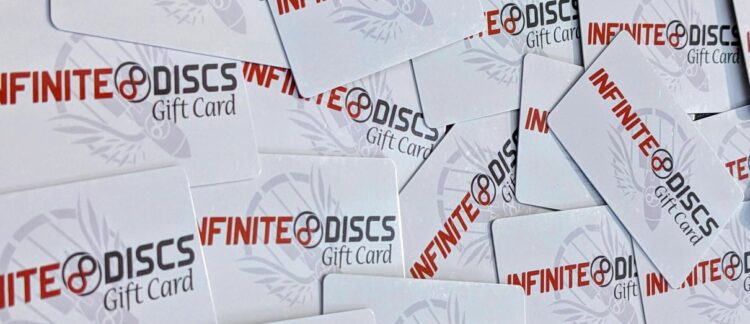 If you’re still unsure what to get the disc golfer in your life, an Infinite Discs gift card is the perfect all‑around solution. Instead of guessing their preferred colors, molds, plastics, or weights, you can let them pick out the exact discs or accessories they’ve been eyeing. It’s a foolproof way to make sure they end up with something they truly want, and it’s one of the most convenient, stress‑free gift options available for any disc golf fan. Plus, the digital gift card code is delivered instantly, making it ideal for last‑minute gifting or quick surprises.
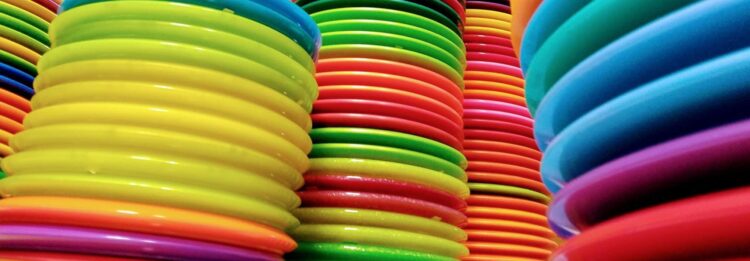 What’s Christmas without a little fresh plastic under the tree? Discs are easily one of the most appreciated gifts for any disc golfer, and Infinite Discs makes it simple to find something they’ll love. With new molds arriving constantly, frequent sales, and all the top sellers from the biggest brands, you’re guaranteed to find a disc that fits both your needs and their wish list. Explore a few helpful links below:
 Under My Profile, players can save their favorite molds to a personalized list. From there, they can choose to receive notifications whenever those discs come back in stock. They can even filter their favorites by plastic type, weight, and color to dial in exactly what they want.
 Here’s how it works:
 Ask your disc golfer to show you their Favorites list, and you’ll know exactly which discs will make their holiday perfect.
 Season’s Greetings! Christmas is right around the corner, and with that comes the question, “What is the latest date we can ship something and still have it arrive before Christmas?”