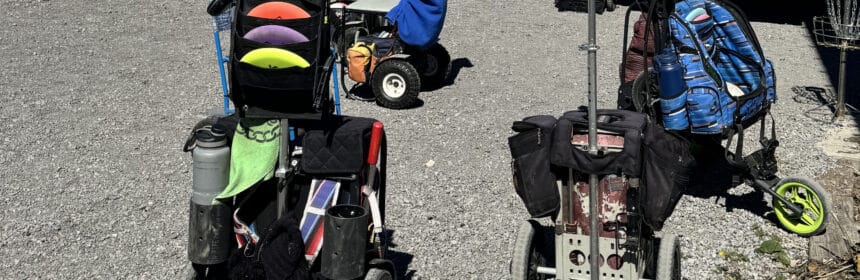
Disc Golf Throwing Styles

To a non-disc golfer, our sport looks pretty simple. You pick up a disc, throw it toward the basket, repeat until you get the disc in the basket. Once you start playing regularly, you realize the game has a little more nuance. Different holes, obstacles, wind conditions, distances, and shot shapes are more easily accomplished using different throwing styles. The more techniques you learn, the more options you have on the course. Whether you are brand new to disc golf or looking to expand your shot selection, understanding the popular throwing styles is one of the best ways to improve your game.

Below is a look into the most common throwing styles in disc golf. We’ll discuss what they are, when to use them, and what makes each one unique.

Backhand

The backhand is the throw most players learn first. It is powerful and takes advantage of many different muscles. If you have ever thrown a traditional Frisbee, you already understand the basic motion: reach back, rotate your hips and shoulders, and pull the disc forward across your body.

Why it is useful: The backhand generates excellent distance because it allows for a long reach back and strong rotational power. It is the throwing style that brings the most muscles into play

When to use it:

  • Long tee shots
  • Controlled fairway drives

What to practice: Focus on timing instead of power. Smooth acceleration, proper form, and weight transfer will add more distance than just throwing as hard as you can. Once your timing is fairly consistent, you can add more power

Forehand (Sidearm)

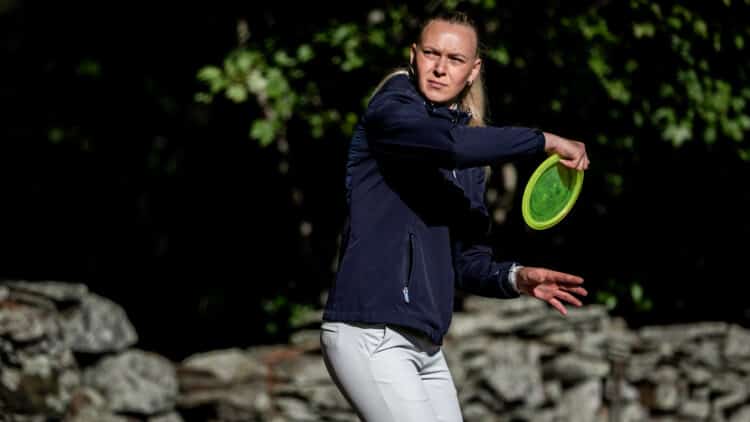
A disc golfer making a forehand shot

The forehand, often called a sidearm or flick shot, is thrown with the palm facing up and the disc flicked forward using wrist snap and elbow extension. It is the go to shot for many players because and perfect for shaping lines that need to finish in the opposite direction of a backhand. Plus, you can keep an eye on your target the entire

Why it is useful: Forehand shots naturally fade in the opposite direction of a backhand shot. That can be crucial if there is a right-hand corner late in the flight. It is also easier to throw forehand from awkward stances, such as when you are pinned behind a tree or stuck in rough terrain.

When to use it:

  • Sharp dogleg right holes for right handed players
  • Skip shots that need to flare hard at the end

What to practice: Work on clean wrist snap and keeping the disc on a flat plane. Many players struggle with wobble early on, but that usually disappears as your mechanics improve.

Hyzer and Anhyzer

a disc held on a hyzer angle


Disc on an anhyzer angleHyzer and anhyzer are not separate throwing styles, they are angles you apply to any throw. They are so fundamental to disc golf that they deserve their own spotlight.
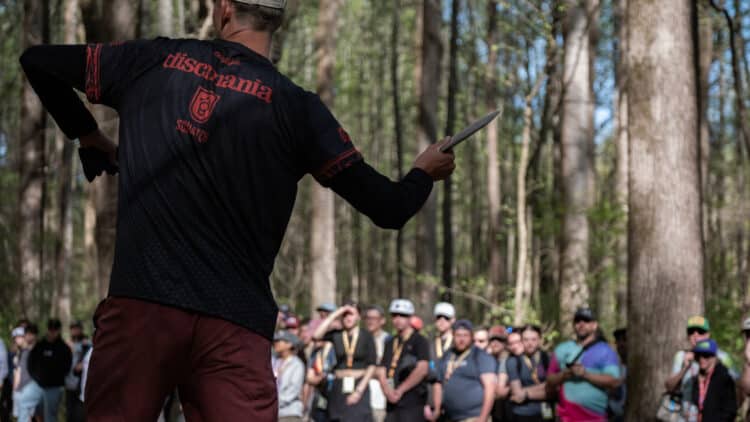
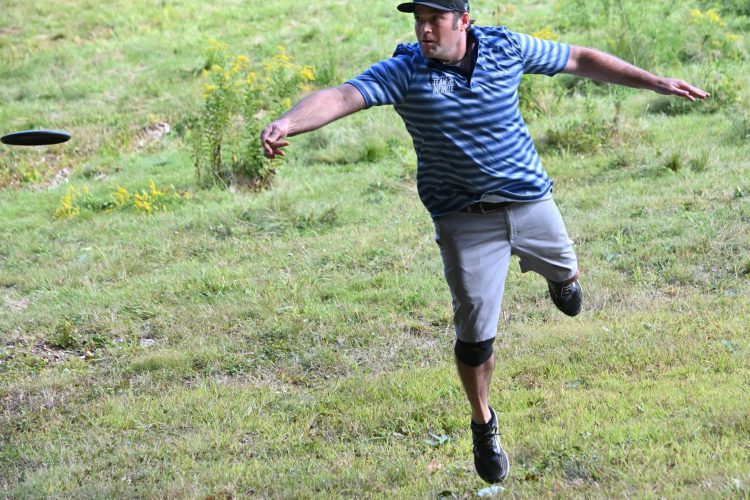

Hyzer: The disc is released with the outside edge angled downward. Anhyzer: The disc is released with the outside edge angled upward.

These angles dramatically change the disc’s flight path. A hyzer will typically produce a smooth, reliable fade. It can also minimize skipping. Throwing an understable disc on a hyzer angle helps the disc flip to flat and fly a long way.

An anhyzer angle causes the disc to drift to the right before finishing to the left.

Why they are useful: Mastering angle control opens your options for any hole shape. Once you understand how different discs behave on different angles, you can hit lines around trees, achieve shots down tunnels, and land closer to your intended target.

When to use them:

  • Hyzer: predictable fades, spike hyzers, headwinds
  • Anhyzer: turnovers, right hand turns, tailwinds

What to practice: Throw a variety of discs on multiple angles and see how the flight changes. This lets you know what disc and angle is needed for a particular hole.

The Roller

A roller is a throw designed to land on its edge and roll along the ground. It is fun to watch and can deliver some super-long throws.

Why it is useful: Rollers can achieve massive distance on flat ground, especially in calm conditions. They are also great for navigating low ceilings or fairways thick with trees where an air shot would be too risky.

When to use it:

  • Long, open fairways
  • Low ceilings where you cannot throw high
  • Hardpan or short grass surfaces

What to practice: Start with understable discs. Release them on a steep anhyzer angle and let the disc’s natural turn carry it to the ground. Over time, you will learn how to control the angle, speed, and landing point to match the fairway and come down on the correct angle.

Overhand Throws (Tomahawk and Thumber)

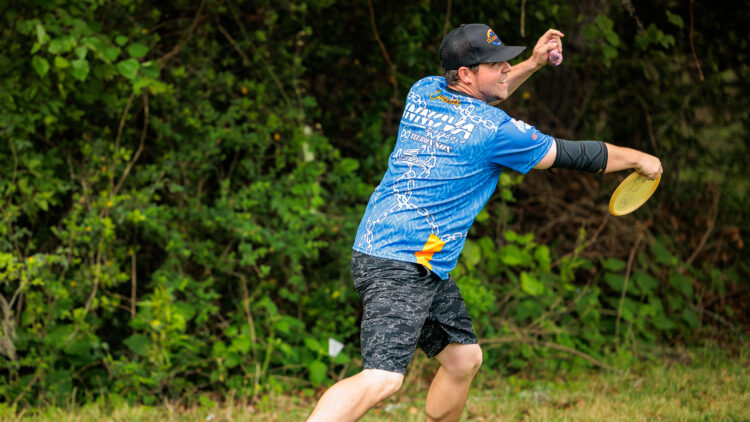
A professional disc golfer preparing to throw a disc.

Overhand throws look more like baseball or football motions than traditional disc golf throws. The two main types are the tomahawk and the thumber.

  • Tomahawk: Thrown like an overhand baseball pitch with the disc’s top facing to the left and your fingers on the rim.
  • Thumber: Thrown with your thumb inside the rim and the disc’s top facing right.

Both shots fly in a vertical arc and then pan out horizontally before fading.

Why they are useful: Overhand throws are excellent for getting over tall obstacles or escaping from dense rough. They also produce very predictable movement once you understand how they pan and fade.

When to use them:

  • Over trees or bushes
  • Tight vertical gaps
  • Emergency scramble shots
  • Holes that require a steep, controlled descent

What to practice: Experiment with different discs. Overstable discs produce sharper, faster pans, while understable discs create longer, slower arcs. Pay attention to how quickly the disc turns and where it lands.

The Jump Putt and Step Putt

Dave Fedlberg at US Masters

Putting styles vary widely, but jump putts and step putts are two techniques used outside Circle 1 to add extra power while staying within the rules.

Why they are useful: These techniques allow you to generate forward momentum and extend your putting range without switching to a full throw.

When to use them:

  • Circle 2 putts
  • Long bids where you still want a chance to score
  • Approaches that require touch but not a full throw

What to practice: Focus on balance and timing. Your supporting foot must leave the ground only after the disc is released to stay within the rules. Smooth, controlled motion is more important than power.

Building a Complete Throwing Toolkit

The best disc golfers are not always the ones who throw the farthest. They are the players who can adapt. Every course and every lie presents a new puzzle. The more throwing styles you have in your toolkit, the more solutions you can create.

Start with the basics, backhand and forehand. Add angle control with hyzers and anhyzers. Then experiment with rollers, overhands, and specialty putts. Over time, you will develop a personal style that feels natural, confident, and uniquely yours, and your scorecard will start to show the difference.

The PDGA Disc Approval Process

a pile of discs and a disc golf bag

January 1, 1964 is a significant date in disc golf history. Sort of. That’s the date the PDGA lists as the first disc ever officially approved in their database. However, the PDGA didn’t exist at that time. Here’s how that went down.

The PDGA was founded in 1976. That was when they first started developing standards for what a disc golf disc should look like. That was the beginning of the approval process, but that didn’t address the discs that had been in play for years.

The approval dates for the first few discs were actually selected retroactively after the PDGA began, and were chosen based on the manufacture dates of the discs. According to the Flying Disc Museum website, prior to 1990 there were only a few standards that needed to be met for a disc to get approved. In fact, many discs were grandfathered in to the approved list and no application nor disc sample exists for those molds.

Early Requirements

One of the catalysts for developing standards that continue to this day is a man by the name of Jeff Homburg. This Tuscon resident has been approving discs and baskets for the PDGA since 1989! Check out this interesting blog from UDisc that details Jeff and the tools he uses to approve discs, HERE.

Early PDGA requirements were fairly simple. A disc had to:

  • Weigh ≤ 200 g, and
  • Weigh ≤ 8.3 g per cm of diameter,
  • Be at least 21 cm in diameter,
  • Have rim depth ≥ 5% of diameter.

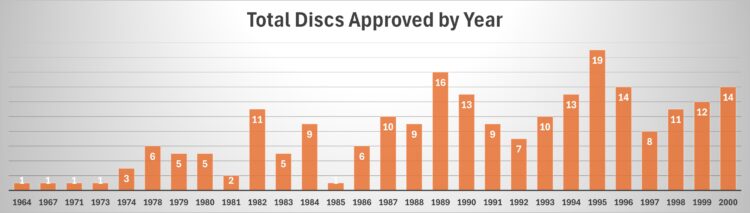
In 1994, additional limits were added for rim sharpness, rim configuration, and disc rigidity (flex test). Over the next few decades, the requirements were refined and modified to include detailed measurement of rim depth, rim width, diameter, height, flexibility, stiffness, and sharpness. Even though there were more requirements that had to be met, the number of discs submitted for approval grew and grew.

Chart showing the number of discs approved each year from 1964 to 2000

As disc golf became more popular, there was a growing need for additional standards. The technical standards used to approve a disc today have been a work in progress, and have changed over time. Let’s check out the current approval process along with the current technical standards.

So, You Want to Get a New Disc PDGA Approved…

Obviously, the first step in getting a disc approved is to design and make a sample disc. The disc can be made with injection molding, but you can also use a 3D Printer or CNC machine. You’ll need three samples of the disc. Those samples go directly to Jeff Homburg. You’ll also need to submit a PDGA Disc Golf Disc Certification Request.

The fee to assess your mold is $300. Manufacturers who are in their first year of submitting discs receive a 50% discount. Once Jeff confirms that the fee has been paid and the Certification Request has been received, he will test the discs to make sure they fall withing the parameters set by the PDGA.

Specifications

There are nine measurements that are taken, using several different tools. Those measurements include:

  1. Overall diameter,
    2. Height,
    3. Rim depth,
    4. Rim width (thickness),
    5. Inside rim diameter,
    6. Rim configuration,
    7. Leading‑edge radius (sharpness),
    8. Flexibility, and
    9. Flight‑plate thickness.

There are other considerations, such as no inflatable components, must be a non-magnetic material, electronics cannot be exposed, etc. Also, the disc cannot exceed 200 grams. For a complete list of technical standards, download the PDGA spec requirements HERE

If the discs submitted meets the guidelines set by the PDGA, the disc is approved for play in sanctioned tournaments. The specifications are then posted on the PDGA Approved Disc Golf Discs page.

If the disc is not approved, the manufacturer is notified of the failure and is told what specifications did not meet the requirements. Then the manufacturer can make changes to the disc in an attempt to bring the mold into the proper specs, then resubmit the disc.

How Many Discs Have Been Approved?

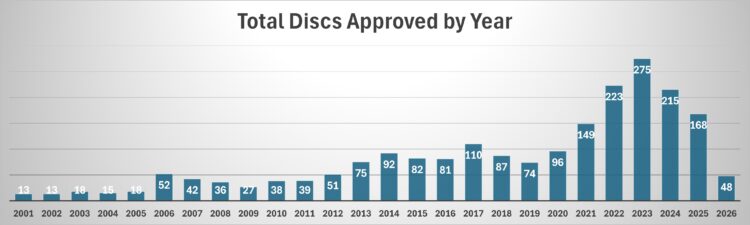
As you saw in the chart above, every year there are many molds submitted for PDGA approval. However, you really need to look at more recent data to see how the sport has blossomed recently.

Here is a chart showing the number of molds approved since the year 2000:

Chart showing the number of discs approved each year from 2001 to 2026

The growth of the sport in the last couple decades has led to a boom in the number of molds approved by the PDGA. Particularly in the last 5 years, when the pandemic gave disc golf a boost in sales, and new manufacturers emerged in an attempt to cash in on the increased demand.

How is This Year Looking

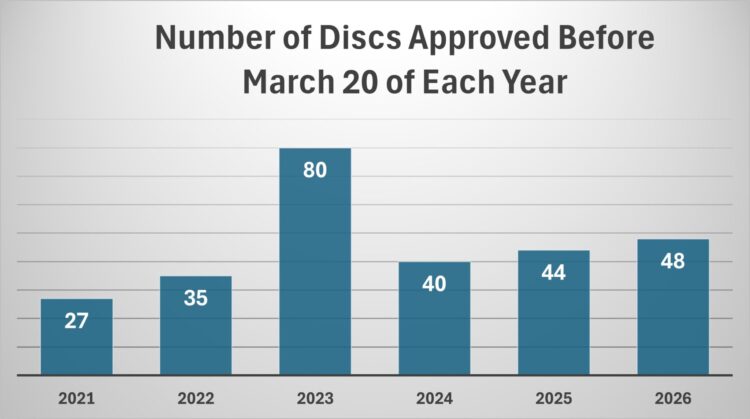
I pulled the data for the current year on March 20 (for a different blog), so I decided to get the data for March 20 of the past 6 years to see how this year compared to the boom years of the pandemic. Here are the results:

Chart showing the number of discs approved by March 20 of each year


Other than the hot start in 2023, the year that saw more total molds approved than any other year in history, this year might be shaping up to be another great year for manufacturers. We’ll check back later in the summer to see how this year compares to past years.

PDGA Approved

Now when you see ‘PDGA Approved’ on a disc, you know what the disc went through to be able to make that proclamation. It may sound like a lot to go through, but it ensures that the discs our competitors are using fall within certain guidelines, which prevents players from having an unfair advantage. There are still discs out there that aren’t PDGA approved (like the fun and interesting Oxymoron), but those can’t be used in sanctioned competition.

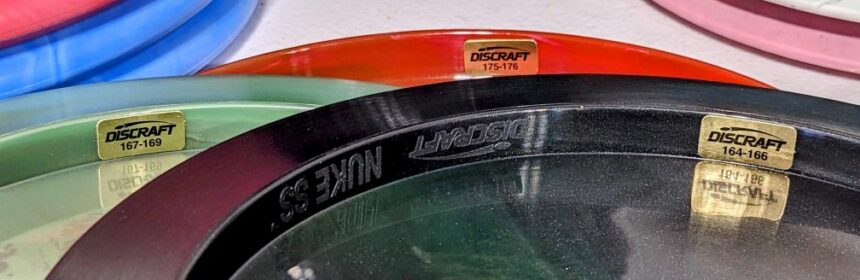
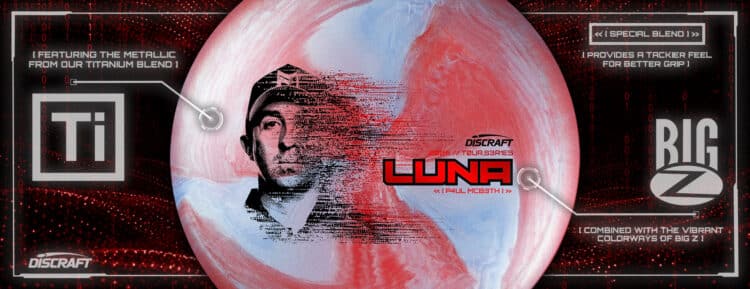
2026 Discraft Special Blend Tour Series

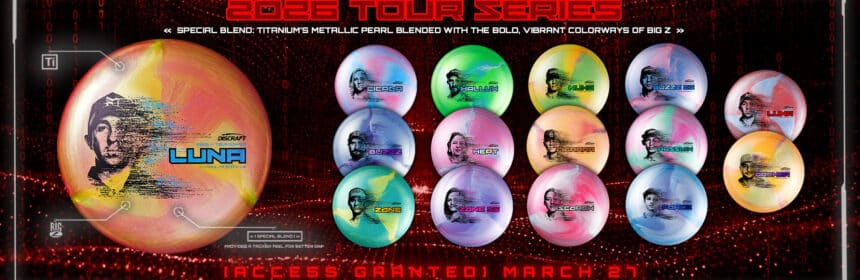
The 2026 Discraft Tour Series discs

The new Discraft 2026 Tour Series discs have dropped! The sale of these molds will support Discraft’s Elite Team for the 2026 tour. In this collection you’ll find a variety of molds with a variety of flights. There are discs for every skill level!

A Discraft Tour Series Paul McBeth Luna

Special Blend Plastic

Discraft combined their Premium Titanium plastic with their popular Big Z plastic for this release. That resulted in a Special Blend that is durable, grippy, and with bold, vibrant colors.

Check out these molds and support your favorite Discraft pros:

2026 Ezra Aderhold Tour Series Nuke

2026 Austin Turner Tour Series Archer

2026 Chris Dickerson Tour Series Buzzz

2026 Anthony Barela Tour Series Cigarra

2026 Ezra Robinson Tour Series Buzzz SS

2026 Missy Gannon Tour Series Cicada

2026 Luke Taylor Tour Series Force

2026 Ricky Wysocki Tour Series Hallux

2026 Hanna Huynh Tour Series Heat

2026 Paul McBeth Tour Series Luna

2026 Paige Pierce Tour Series Passion

2026 Valerie Mandujano Tour Series Scorch

2026 Adam Hammes Tour Series Zone

2026 Holyn Handley Tour Series Zone SS

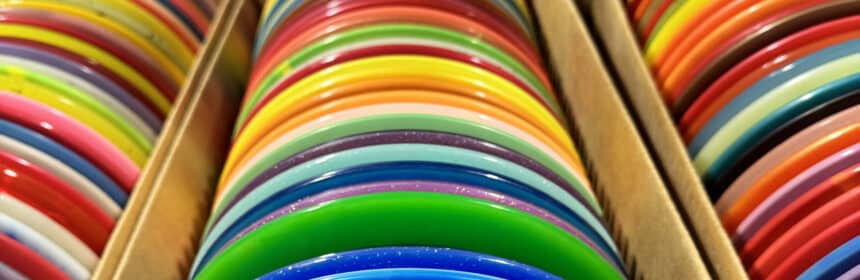
New Disc Golf Discs

Boxes of new discs

Here at Infinite we take pride in having the biggest selection of disc golf discs on planet earth. Every year, many of those brands add to their disc library by getting new discs approved. Here is a  list of brands that we carry, and the discs each brand got approved in the past year.

Comment about the list for a chance to win an Infinite Discs gift card.

Alfa Discs

Alfa Discs is a Norwegian manufacturer that started out as a retail disc golf store. They have slowly been growing their line.

Axiom Discs

Axiom Discs is the more colorful disc golf brand manufactured by MVP Disc Sports out of Marlette, Michigan. All Axiom discs utilize MVP’s gyro technology and are designed to fly well and look great. The popular Axiom Envy is one of the most well known discs in all of disc golf.

Bernoulli

Bernoulli Disc Golf combines innovation with sustainability producing outstanding discs while caring for the planet. As a pioneering disc golf brand, they are dedicated to crafting high-quality discs exclusively from eco-friendly materials.

Birdie

Birdie Disc Golf Supply Co. is a supply, design, apparel, and production company proudly serving disc golfers across the United States as well as internationally.

Clash Discs

Clash Discs, a Finnish disc manufacturer, aims “to make reliable discs with a stimulus for all senses.” They also strive “to create discs that are easy to learn and understand, fit well in the hand, and have a good feel.”

Disc Golf Association (DGA)

DGA offers a full product line of quality disc golf discs including stock edition and tour series discs. They use Discraft for manufacturing of most of their molds and feature great plastic blends and a variety of discs for all purposes.

Discmania

Discmania offers some of the best disc golf discs on the market. They work closely with Latitude 64 and Yikun to produce and manufacture ultra premium disc golf discs with their own unique designs. Discmania Originals are produced by Discmania in their own facility in Sweden. The Discmania Evolution Line is produced by Latitude 64 in Sweden. The Discmania Active Line is produced by Yikun Discs in China.

Discraft

Discraft is the second-largest manufacturer of golf discs within the United States, boasting an extensive product catalog encompassing the full spectrum of disc varieties. With a commitment to excellence, Discraft sponsors numerous elite professional disc golfers and tournaments through tour series discs. They offer a diverse selection of discs tailored for professional players, novices, and individuals at every skill level in between.

Doomsday Discs

Doomsday Discs is an apocalyptic disc brand for the end of the world. They release quality discs which are manufactured from many different sources around the world in order to prepare for any unexpected market scenarios that might arise. Watch for discs to be released in their Catastrophic Line, Prepper Line, Munitions Line, and Conspiracy Line.

Dynamic Discs

Dynamic Discs is one of the leading brands in disc golf. Owned by House of Discs, DD is located in Emporia, Kansas. They partner with Latitude 64 in Sweden to distribute some of the best discs in all of disc golf. Dynamic Discs manages the US distribution for Latitude 64, Westside, and now Kastaplast Discs and have an extensive touring team and unique tour series discs.

Elevation Disc Golf

Elevation Disc Golf is one of the only disc golf manufacturers to primarily use rubber as a medium for their discs. They create unique and beautiful discs for all to throw and enjoy. Elevation Disc Golf was founded with one goal: to help every disc golfer be their best.

Essential Discs

Essential Discs, originally a disc golf course designer, has expanded its expertise into developing its own line of disc golf discs. Leveraging their deep understanding of disc flight and terrain interaction, they’ve crafted a collection designed for both seasoned players and beginners.

EV-7

EV-7 specializes in putters that are produced in the USA with premium materials and designed by PDGA World Champion and Hall of Fame National Tour Champion, Phil Arthur. They strive to create the best line of disc golf putters on the market through advancements in design, consistency, durability, texture, and feel.

Finish Line Discs

The Finish Line Discs brand is owned by professional disc golfer Drew Gibson. This brand’s focus is on providing the absolute best flying disc golf discs on the market. Finish Line Discs are designed and made in the USA.

Gateway Disc Sports

Gateway Disc Sports provides quality and innovative disc golf discs. They offer a full line of golf discs, and offer several of the top rated putters including the popular Wizard. Gateway also has a special line of light weight golf discs that are perfect for children and beginners. These discs are very inexpensive, and offer a great way to get started with the exciting sport of disc golf.

Goliath Discs

Goliath Discs is a faith based Christian disc golf manufacturer located in Northwest Iowa. Their discs feature a biblical theme designed to help you overcome your inner giants while having fun on the disc golf course.

Gorilla Performance Discs

Gorilla Performance Discs, originally established as a player-focused event organization, has significantly expanded under the leadership of Patrick D. Womack. Today, the brand is known for its broad range of disc golf products, including a newly introduced line of high-quality discs. These offerings feature both stock stamped and custom designs, tailored to meet diverse playing styles and preferences.

H13 Disc Golf

H13 Disc Golf is a manufacturer dedicated to creating high-quality discs and apparel, inspired by a mission to encourage intentional living and adventure. Originally launched as a retail shop under the name Hole 13 Disc Golf, the brand expanded into manufacturing after gaining valuable industry experience. H13 Disc Golf combines innovation with a passion for the sport, delivering products that resonate with the disc golf community.

Hooligan Discs

Hooligan Discs is a fun brand that works in partnership with Lonestar Discs to offer even more great, top-quality discs to the market.

Infinite Discs

Infinite Discs are manufactured by Innova Champion Discs right here in the USA. Each disc in the Infinite Line is designed and manufactured to fill precise niches in every disc golf bag. Most Infinite Discs models are designed for players at all levels, while some discs will be fine-tuned for the specific demands of experienced throwers. Every run specifies the run number, run specific flight ratings, and includes the total number of discs manufactured. This information helps throwers find consistency and allows collectors to know the rarity of their Infinite branded discs.

Innova Champion Discs

Innova Champion Discs is the world’s largest manufacturer of disc golf discs. Their manufacturing facility is located in Rancho Cucamonga, California and they have massive distribution centers in both California and South Carolina. The Innova brand has a full line of quality products including distance drivers, fairway drivers, midranges, approach discs, and putters in all stability ratings and plastic types.

Jester Disc Golf

Jester Discs was inspired by the amazing flight of the discs, the beautiful elements of nature, and the joy of hanging out with friends. It wasn’t enough to simply play the game — Jester wanted to express a sincere love for this unique sport by setting out to develop the highest quality discs on the market.

Kastaplast

Kastaplast, a premium Swedish disc golf manufacturer, is renowned for their ultra-grippy discs and the best glow-in-the-dark disc golf plastics. They introduce new technology into the sport, incorporating frontline tools like 3D printing and computer flight simulation in their design process. Professionals in aerodynamics and engineering are involved externally in their work. The name “Kastaplast” translates to “throw plastic.” Kastaplast is currently manufactured by Latitude 64 and owned by House of Discs.

Kraken Discs

Kraken Discs is an exciting new venture into the disc golf world by Kraken Dice, a well-known name in the dice manufacturing community. Expanding their passion for precision and quality, Kraken Discs brings the same attention to detail to their disc golf offerings.

Latitude 64

Latitude 64 manufactures premium golf discs in their state of the art facility located in Sweden. They have become well known in the United States as a result of their premium disc manufacturing and attractive final product. Many disc golfers feel that Latitude 64 produces the most superior plastic blends available. They are owned by House of Discs and work with Dynamic Discs for US distribution.

Lone Star Disc

Lone Star Disc is a disc golf manufacturer located in Conroe, Texas, just north of Houston. They are one of the fastest growing brand in all of disc golf and produced more new disc molds in 2022 than any other disc golf brand in history. Lone Star molding began as a manufactuer of quality plastic products for the Texas oil fields. Their experience in the plastic and molding industry has helped them to bring incredible new plastics and molds to the market, all designed and manufactured in Texas.

Loop Discs

Loop Discs is an Australian disc golf brand known for their passion for the sport and commitment to sustainability. They produce high-quality discs using only premium Australian plastics, avoiding baseline materials for maximum durability. Designed without foil stamps, Loop Discs ensures their products can be easily recycled into future discs, supporting a sustainable future for disc golf.

Lucky Discs

One of the newer disc golf brands, Lucky Discs is based in Finland. Their first three molds are a distance driver, control driver, and a putter. Check out our blog introducing Lucky Discs HERE

Meridian Discs

Meridian Discs was founded by two passionate disc golfers who believed that players shouldn’t be limited to a single manufacturer as they grow and develop their skills. Whether you’re an amateur or a registered professional, Meridian Discs offers a variety of molds designed to reignite your love for the sport and enhance your disc golf experience.

Millennium Golf Discs

Millennium revolutionized the disc golf industry by providing high quality materials with innovative designs. Flat out, Millennium makes some really good golf discs. They don’t provide the largest selection, but the discs they make are really good ones. Millennium offers fantastic drivers, accurate mid range discs, and the most popular super soft putters in the world.

Mint Discs

Mint Discs is an Austin, Texas, company the focuses on premium quality. They also like their customers to know the details of each disc, such as the run number, so you can know exactly what disc you are throwing.

Momentum Discs AB

Momentum Discs was founded by five partners that took over the former brand Momentum disc golf with the goal to create new products with the highest of quality & design.

Negative

Negative Disc Golf began in 2014 as a casual disc golf apparel brand, evolving over the years as a creative hobby for its founders. After several iterations and gaining more experience, the brand is now being reimagined with bigger ambitions.

Ocean Discs

With an strong desire to protect the environment, Ocean discs is working toward 100% recycled plastic in their discs. They also promote the idea of reducing waste in the first place.

Prodigy Disc

Prodigy Disc provides high quality golf discs, supported by some of the world’s top disc golf professionals. They offer a full lineup of golf discs in varying stability and multiple plastic bends. Prodigy discs are well known for their grippy plastic feel and easy release technology. In 2019 they released their Ace Line discs which include additional molds manufactured overseas and available at a lower price.

Sacred Discs

Sacred Discs is more than just a conventional disc golf brand. They aspire to enrich the Disc Golf experience by meticulously infusing their product line with the uplifting essences of sacred plants and minerals. The unique aromas featured in their products aim to foster a deeper connection with nature while promoting overall health and well-being within the realm of this magnificent sport.

Stokely Discs

Stokely Discs, founded by disc golf legend Scott Stokely, offers a range of high-quality discs designed for both amateur and professional players. Leveraging Scott’s extensive expertise, each disc is crafted to enhance performance, focusing on precision, distance, and stability. Whether you’re a beginner or a seasoned competitor, Stokely Discs equips you with the tools to excel.

Streamline Discs

Streamline Discs is the third brand in the MVP family. Unlike MVP and Axiom, which focus on double mold gyro technology, Streamline uses single mold technology to provide quality, premium plastic at the most affordable cost on the market. Streamline discs use the familiar plastic names Neutron and Proton that are familiar with the overmold discs.

Thought Space Athletics

Thought Space Athletics is well known for creative, stand-out artwork and design in disc golf. They also have their own line of branded discs so that players can fill the most important spots in their disc golf bag with beautiful, quality discs. Find out why TSA is one of the fastest growing brands in all of disc golf.

Trash Panda Disc Golf

Trash Panda Disc Golf is a brand dedicated to sustainability through recycled discs that will not add waste products to the environment. This is the first disc golf brand to produce discs from 100% recycled plastic. Trash Panda is so committed to minimizing waste and trash that they do not use foil or hot stamping in the production of their discs.

Westside Golf Discs

Westside provides a full lineup of premium disc golf discs, including some very high quality fast flying drivers. The King, World, Destiny, and Catapult all have speed ratings of 14. Westside Discs originated in Finland with their discs manufactured by Latitude 64 in Sweden. The brand was purchased by Latitude 64 and Dynamic Discs in 2017, and is now owned by House of Discs.

XCOM Discs

X-Com is a manufacturer of beginner-friendly discs. New players will find a nice variety of driver, mid-range, and putter discs at affordable prices that are designed for easy flight without massive arm-speed.

Yikun Discs

Yikun is a disc manufacturer based in China that manufactures for popular disc golf brands like Discmania and Wild Discs. They also have their own line of golf discs that are among the most affordable on the market. They have a focus on disc sports and have been among the leading manufacturers of Ultimate Discs in Asia for over a decade.

Did you see any discs that looked like something you want to try? Tell us and WIN!

Let us know which brand or molds you’ve tried, or are looking forward to trying. We’ll select a few random commenters and send them an Infinite Discs gift card! One comment per person. All comments need to be approved (to avoid spam comments) so your comment may not appear for a couple days.

Check out all of our giveaways HERE

Best Disc Golf Roller Discs

Disc rolling down the fairway. Roller shot.

Learn the Best Roller Discs and Win a Gift Card

In disc golf, having a variety of shot types gives you a real advantage whether you are competing or simply trying to beat your personal best. Every course presents different challenges, so the more shot options you have, the easier it becomes to navigate tight lines, low ceilings, and tricky fairways. One one shot that doesn’t come up a lot but is nice to have when you need it, is the roller shot. In this guide we will break down what a roller is and highlight the best disc golf roller discs based on surveys and sales data.

What Is a Roller Shot?

A roller is a throw designed to hit the ground at an angle and continue moving by rolling on its edge. Players use rollers for short, technical escapes or for long distance shots when they need to cover a lot of ground. Rollers shine when you are dealing with low ceilings, open fairways, or situations where an air shot is not ideal. The challenge is landing the disc at the correct angle because even a small bump or uneven patch of ground can send the disc in an unexpected direction.

Learning to Throw Rollers

Many players have never attempted a roller and are unsure how to start, while others rely on the shot whenever the opportunity presents itself. This guide focuses on distance rollers rather than short technical ones. Once you learn how to throw a clean roller, the results can be impressive. Some of the longest throws on the course come from well executed rollers, and the shot can quickly become a favorite tool in your bag.

Most of the discs commonly used for rollers have a high amount of turn and are considered understable. This makes it easier for players of all skill levels to achieve the angle needed for the disc to tip over and start rolling. With enough arm speed almost any disc can be used as a roller, but the molds listed below are the ones most frequently recommended by players.

Best Disc Golf Roller Discs

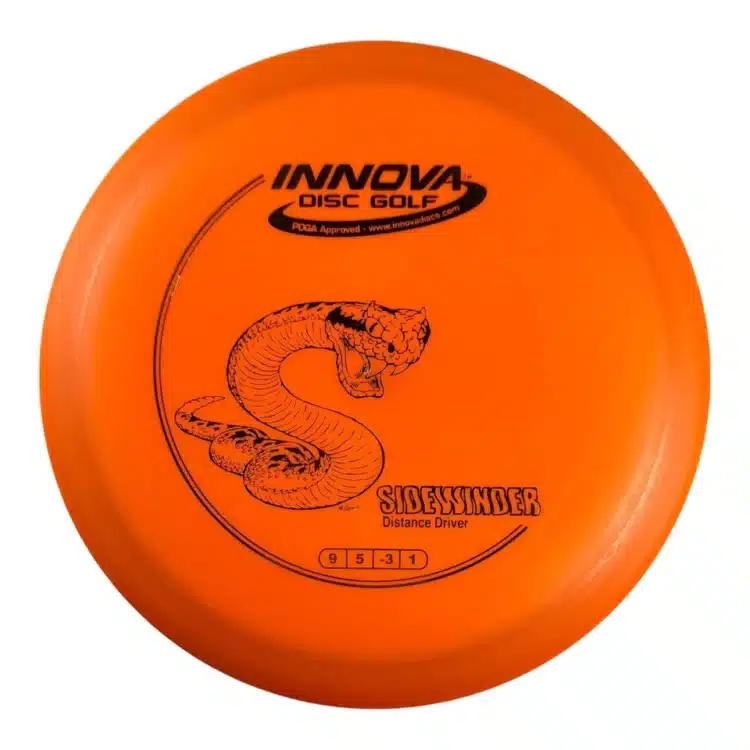
Innova Sidewinder 9 | 5 | -3 | 1

Innova Sidewinder disc golf disc

The Sidewinder is built for rollers and turnover shots. Its high turn rating helps players get the disc to the correct angle with ease. While it may be too flippy for powerful throwers at full speed, it remains a versatile utility disc for players of all skill levels.

Innova Leopard 6 | 5 | -2 | 1

The Leopard is a popular beginner disc because it is easy to throw and easy to turn. With a bit of practice it becomes an excellent roller disc. Its low speed and controllable flight makes it a great option for learning how to throw rollers.

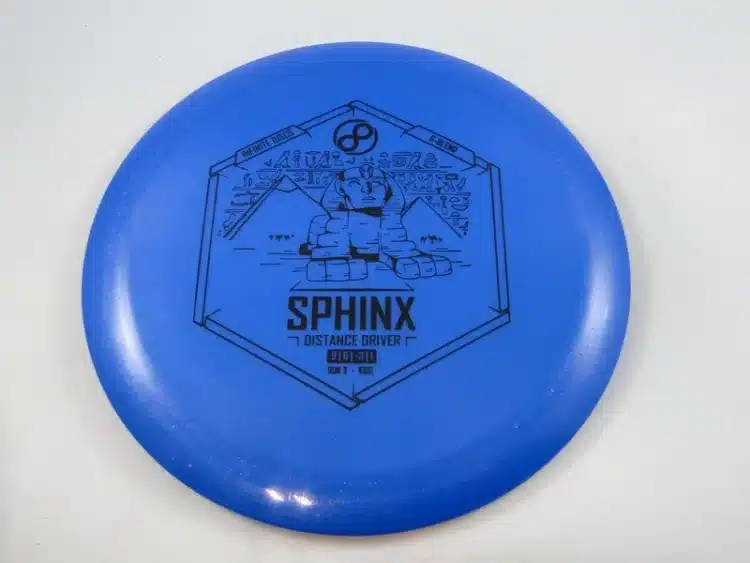
Infinite Discs Sphinx 9 | 6 | -3 | 1

An Infinite Discs Sphinx disc golf disc

The Sphinx is naturally suited for roller shots thanks to its understable flight numbers. It also works well as a turnover disc or a beginner friendly fairway driver. Lightweight I-Blend versions make it even easier to tip over into a smooth roller. In some plastics, like Metal Flake Glow C-blend, the stability of the plastic makes it a good choice for for rollers for better players.

Innova Roadrunner 9 | 5 | -4 | 1

The Roadrunner has long been a favorite roller disc. Its comfortable rim and high turn rating help beginners and experienced players alike achieve long, controlled rollers.

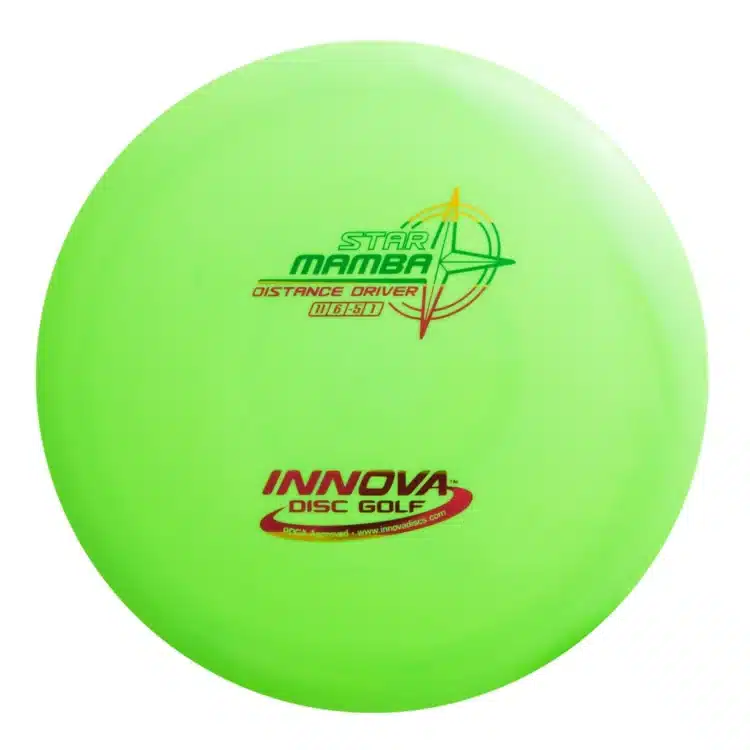
Innova Mamba 11 | 6 | -5 | 1

Innova Mamba disc golf disc

The Mamba offers even more turn than the Roadrunner and adds extra glide. It is an excellent choice for long rollers and big turnover shots. Many players rely on the Mamba as their primary roller disc.

Innova Rollo 5 | 6 | -4 | 1

The Rollo is a newer mold designed specifically for roller shots. It works well for players of all skill levels and can also be used for high turn air shots or shaping lines in the woods.

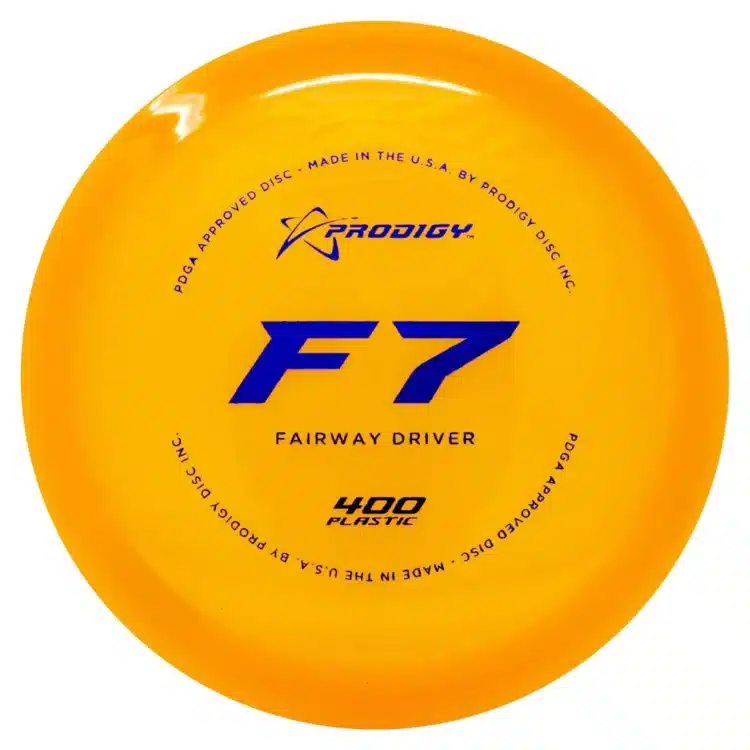
Prodigy F7 7 | 5 | -3 | 1

A Prodigy F7 disc golf disc

The F7 is a beginner friendly fairway driver that becomes a great roller disc in the hands of more experienced players. It is available in multiple plastics and offers reliable turn for both rollers and turnover shots.

Latitude 64 Diamond 8 | 6 | -3 | 1

The Diamond is one of the best beginner drivers on the market thanks to its light weight and easy to control flight. It also makes an excellent roller disc because it is simple get the disc to turn to the optimal angle.

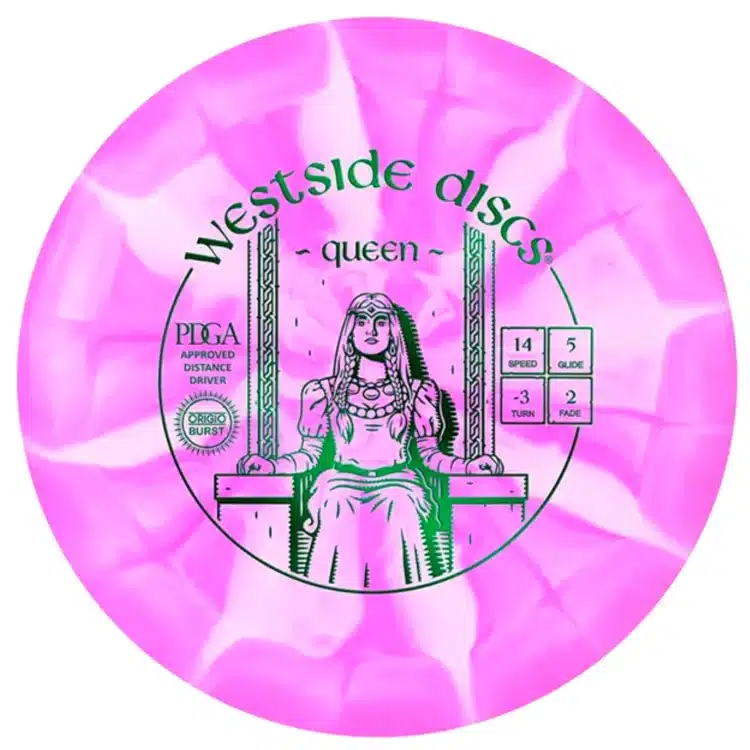
Westside Queen 14 | 5 | -3 | 2

A Westside Discs Queen disc golf disc

The Queen is a high speed driver that typically requires more power to use as a roller. In lighter weights or seasoned plastic it becomes a strong option for experienced players looking for long, fast rollers.

Prodiscus Flipperi 9 | 3 | -3 | 0

The Flipperi is marketed as a forgiving beginner disc and also works well as a roller. Made in Finland, it follows the Prodiscus tradition of adding a Finnish vowel to an English word. True to its name, it flips easily and delivers smooth, controlled rolls.

We Want to Hear Your Favorite Roller Discs, and You Could Win a Gift Card!

This list highlights some of the best disc golf roller discs, but it is far from complete. Player feedback has revealed more than 30 different molds used for rollers. The Sphinx and Roadrunner consistently rank near the top, and another popular choice is the Prodiscus Flipperi.

Let us know your favorite roller disc. We’ll select a few names and give them a $25 gift card. Make sure your email address is valid. One comment per person. We approve all posts to avoid spam, so your comment may not appear on the blog for a few days.

Check Out Infinite Discs at the Disc South Expo!

The Disc South Expo banner

The second Expo of the season is coming up this weekend, and Infinite will be there with some cool stuff. Be sure to check out our booth for some AMAZING discs! This expo takes place in Allen, TX.

What can you expect at the Infinite booth? Everything from Tour discs to prototypes. Here’s the rundown:


  • Three different prototype molds from Infinite. One of the three will become a production mold. Which one gets that honor will depend on YOU and your feedback.
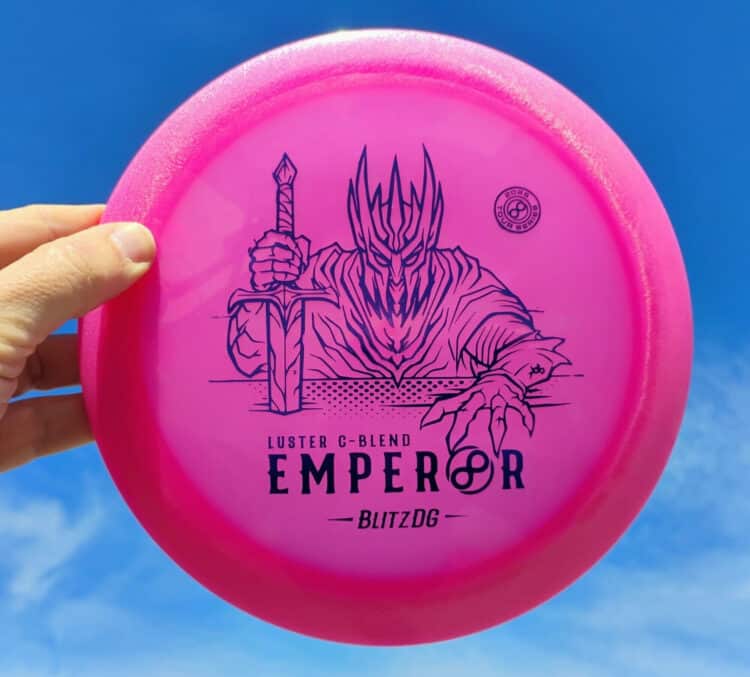
  • BlitzDG Luster C-Blend Emperor – Pick one up before they are released next week. Clint will be at the expo so you can get this amazing disc signed!A Luster C-Blend Emperor by Infinite Discs
  • Maria Oliva Tour Series S-Blend Emperor
  • Thought Space Athletics Nuance – Special Edition
  • Tons of $5 discs from Discount Disc Golf
  • Exclusive stamps
  • DDG Bag Buddies

Get more information about the Expo at the link below:

Disc South Expo

Best Disc Golf Cart

disc golf carts
When I first started playing disc golf, I thought that the idea of using a cart was overkill. Bags aren’t that heavy and I had no problem lugging my Gorilla Boy Simian around the course. After I had been playing for a bit, I discovered that I had tons of discs sitting around that I never threw. I sold them all to a retail store and ended up with lots of store credit. That’s when I considered getting a cart.I liked my bag and preferred a cart that held my bag. That way I could easily remove the bag when I was playing a course that wasn’t cart friendly.  I settled on a Zuca Backpack LG, which easily held my large bag.I got the bag from the retailer when they were vending at a tournament that I was playing. After playing the first round of the day without the cart, I got it set up and used it for the second round. I was hooked!

I loved how easy it was to push/pull the cart around. It didn’t matter how many backup discs I crammed in my bag, nor how much extra food/water/accessories I wanted to take. The effort to move the cart around the course was the same. And it was minimal.

In this blog, I’ll discuss the cart options you have, and mention what I like and dislike about the cart.

Types of Disc Golf Carts

Disc golf carts generally fall into two categories: carts that require a separate bag and carts with built in disc storage. Carts that require a separate bag allow you to attach your current bag quickly, while carts with built in storage require you to move your discs into the cart, which can be inconvenient if you frequently play on courses that are not cart friendly.

Carts That Require an Additional Bag

ZUCA Trekker and Trekker LG Cart

The Trekker and Trekker LG are based on the ZUCA Backpack and Backpack LG. The Trekker uses a 22 inch axle and holds 20 to 25 discs, while the LG uses a 24 inch axle and holds up to 30 discs. Both include a telescoping handle and a built in seat rated for up to 300 pounds.

  • Likes: Built in seat, no additional bag needed
  • Dislikes: Requires a separate bag for non cart courses, takes up significant transport space

ZUCA Compact Cart

A smaller, lighter option for players who carry fewer discs. It uses a 22 inch axle and includes a built in seat, though it sits lower than other models.

  • Likes: Easy to move, easy to transport, built in seat, low center of gravity
  • Dislikes: Requires a separate bag for non cart courses, limited storage space

ZUCA All Terrain Cart

A larger version of the Compact Cart with space for up to 32 discs, additional pockets, and interior storage.

  • Likes: Built in seat, plenty of storage
  • Dislikes: Requires a separate bag for non cart courses

ZUCA Transit Cart

This model includes a built in disc bag with extra storage underneath, a 24 inch axle, and a built in seat. It holds up to 25 discs.

  • Likes: Built in seat, extra storage
  • Dislikes: Requires a separate bag for non cart courses, limited additional disc capacity

Frame Carts: Use Your Own Bag

Frame carts allow you to attach or insert your existing disc golf bag so your discs stay in the same place whether you are using the cart or carrying the bag. Some include seats while others do not, and they come in two, three, or four wheel designs.

ZUCA Backpack and Backpack LG

These carts include a seat, telescoping handle, and water bottle holders. All storage comes from your attached bag. The Backpack uses a 22 inch axle and the LG uses a 24 inch axle.

  • Likes: Easy bag removal, built in seat
  • Dislikes: Large for transport, requires a bag purchase, limited storage

MVP Rover 2 Cart

A compact, lightweight cart with water bottle holders and a telescoping handle. It has a low center of gravity but no seat.

  • Likes: Easy bag removal, simple transport, good maneuverability
  • Dislikes: Requires a separate bag, no seat

ZUCA EZ Cart

This cart includes a shelf for your bag and extra storage underneath but does not include a seat.

  • Likes: Easy bag removal, extra accessory space, compact transport
  • Dislikes: Requires a separate bag

Rovic RV1D 2.0

A foldable push cart originally designed for ball golf. It holds any disc golf bag and includes a locking brake, storage space, drink holders, and an umbrella holder. It struggles on uneven ground when pushed forward but pulls easily over rough terrain.

  • Likes: Easy to push, many accessories available, compact when folded, convenient bag height
  • Dislikes: Non pivoting front wheel, accessory costs, small water bottle holders

BagBoy Disc Golf Quad XL Push Cart

A four wheel push cart with excellent stability, built in storage, a drink holder, and an umbrella holder. A handle mounted brake keeps it secure on hills.

  • Likes: Very stable, easy to push, higher bag position, built in accessory storage
  • Dislikes: Expensive optional seat, pricey accessories, non pivoting front wheels, small bottle holder

How to Choose the Right Disc Golf Cart

To find the best cart for your needs, consider whether you mainly play on cart friendly courses, whether you have enough vehicle space, how much storage you want, whether you plan to use it for tournaments, your budget including accessories, and whether you want a seat during rounds. Once you answer these questions, you can narrow your options and choose the style and color that fit your preferences.

Final Thoughts

Many disc golfers who invest in a cart say they will never go back, and with all the benefits they offer, it is easy to see why. Use this guide to find the best cart for your game and explore the selection at Infinite Discs. We would love to hear from you. Do you use a cart, and if so, which one? If not, which cart seems like the best fit for your needs, or what keeps you from getting one?


How to Get Sponsored in Disc Golf: A Complete Guide

Team Infinite disc golf player

Why Sponsorship Matters in Disc Golf

Sponsorship in disc golf is no longer reserved for elite touring professionals. With the sport’s rapid growth, companies are increasingly open to supporting local ambassadors, content creators, and rising competitors. Whether you’re chasing a full-time tour or simply want help covering tournament fees and gear, the path to sponsorship begins with intentional effort and a clear understanding of what brands are looking for. This blog will help you learn how to get sponsored in disc golf.

Build a Strong Social Media Presence

Sponsors want visibility, and your online platforms are the most direct way to offer it. Start by choosing one or two channels to focus on, such as Instagram, YouTube, or TikTok. Post consistently with interesting content. Share tournament recaps, practice sessions, disc reviews, and community events. Use high-quality photos and videos, and write captions that reflect your personality and passion for the sport.

Engagement matters more than follower count. Respond to comments, tag brands when you use their products, and interact with other disc golfers. This builds credibility and shows sponsors that you’re active and approachable.

Be Active in Growing the Sport

Sponsorship is not just about performance, it’s about impact. Volunteer at local events, help run clinics, mentor new players, and support your local club. If you’re involved in course maintenance, league organization, or youth outreach, document it. Brands love to support players who give back. Being a community builder shows that you’re invested in disc golf’s future, not just your own success.

Professional disc golfer with sponsors on shirt

Photo courtesy DGPT

Compete Regularly and Track Your Progress

You don’t need to win every event, but you should be active in your region’s tournament scene. Play in PDGA-sanctioned events, track your rating, and aim for consistent improvement. Sponsors look for players who are committed to growth and who represent their brand with professionalism on and off the course.

If you’re placing well or showing strong sportsmanship, mention it in your sponsorship pitch. Even if you’re not a top-tier player, your dedication and visibility can be valuable.

Find the Right Company to Approach

Start with brands you already use and believe in. If you throw discs from a specific manufacturer, wear gear from a certain apparel company, or use a particular bag, those are natural fits. Research their current team and sponsorship structure. Some companies offer tiered sponsorships, ranging from grassroots ambassadors to elite pros. Others may support players through product discounts, tournament reimbursements, or content collaborations.

Look for brands that align with your values and style. If you’re focused on growing the sport locally, a regional retailer or startup brand might be a better fit than a global manufacturer.

Craft a Professional Sponsorship Pitch

Introduce yourself, explain your disc golf journey, and highlight your achievements and community involvement. Include links to your social media, tournament results, and any relevant content. Be clear about what you’re offering, such as visibility, engagement, and event presence, and what kind of support you’re seeking.

Keep it concise and respectful. Sponsorship is a partnership, not a handout. Show that you understand the brand’s goals and how you can help them reach a wider audience. Find out if the company has a formal team application you need to submit, then fill out every section completely.

Follow Up and Stay Persistent

Not every pitch will result in a deal, but each interaction helps you refine your approach. If a company says no, ask what you can improve or whether they might consider you in the future. Keep building your brand, competing, and contributing to the sport. Sponsorships often come when you least expect them, especially if you’re consistently visible and valuable in the disc golf community.

Live Up to Your Commitment

If you do get a sponsorship from a company, make sure you follow through with everything you are required to do, and committed to do. Keep up on your social media posts, stay active in disc golf, live up to your promises. That will show show the company that you are serious about promoting their brand, and will lay the foundation for additional sponsorships.

Conclusion

Getting sponsored in disc golf requires more than just throwing far or winning tournaments. It’s about building a personal brand, engaging with the community, competing with integrity, and approaching companies with professionalism and purpose. By focusing on these areas, you’ll not only increase your chances of sponsorship but also deepen your connection to the sport and its growing culture.

If you’re ready to take the next step, start by evaluating your social media presence. Are you posting regularly? Are you showcasing your personality and passion? Then look at your local disc golf scene. Are you volunteering, mentoring, or helping grow the game? Finally, assess your competition record and identify brands that align with your style and goals. With persistence and purpose, sponsorship is within reach.

1 2 3 21